
Essentials of Polymerase Chain Reaction: Part 2 PCR Simulator: Practical 2026: (3 CPD)
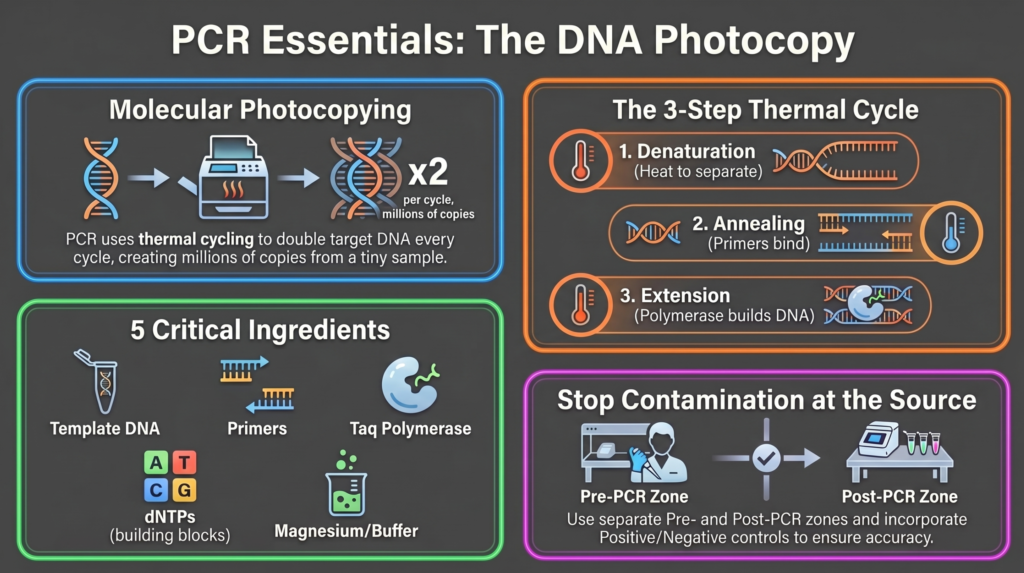
By the end of the PCR simulator lesson, the learner should be able to: Identify the main parts and settings of a PCR amplifier/thermal cycler.Set basic PCR cycling conditions, including denaturation, annealing, extension, cycle number, and hold temperature.Explain how temperature changes drive DNA denaturation, primer annealing, and strand extension.Demonstrate how repeated PCR cycles lead to […]
Essentials of Polymerase Chain Reaction Part 1: PCR Overview: Video 2026: (3 CPD)
Essentials of Polymerase Chain Reaction Part 3: Applications and Discussion: Webcast2026: (3 CPD)
By the end of this CPD lesson, the learner should be able to: Describe the major applications of PCR in medical laboratory practice. Explain the role of PCR in infectious disease diagnosis, including detection of viral, bacterial, fungal, and parasitic pathogens. Discuss how PCR is used in genetic testing, mutation detection, and inherited disease diagnosis. […]
Intestinal Parasites & Stool Examination: Chapter 1: Foundations of Stool Examination & Laboratory Techniques Powerpoint (3 CPD)
By the end of this CPD chapter, the learner should be able to: Explain the importance of stool examination in the diagnosis and control of intestinal parasitic infections. Describe the correct procedures for stool specimen collection, labeling, transportation, and reception in the laboratory. Identify suitable and unsuitable stool specimens for parasitological examination. Describe the basic […]
Diabetes Melitus: Part 2 Additional Biomarkers and Ancillary Tests for Diabetes: Powerpoint 2026 (3 CPD)
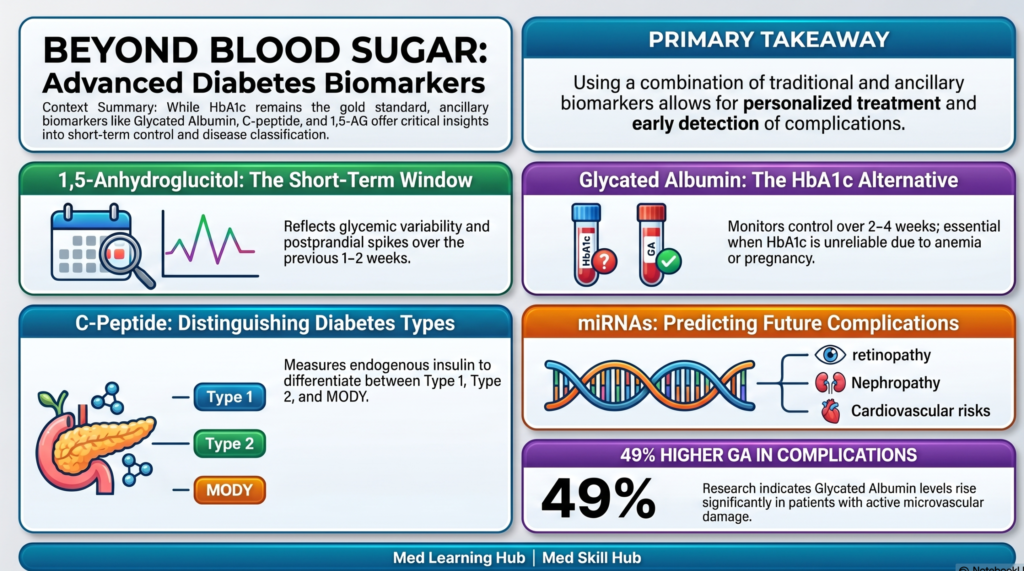
By the end of this CPD part, the learner should be able to: Describe additional biomarkers used in the assessment and monitoring of diabetes mellitus. Explain the role of HbA1c in long-term glycaemic monitoring and diabetes management. Describe the clinical significance of fructosamine and glycated albumin in short-term glycaemic assessment. Explain the use of C-peptide […]
Diabetes Melitus: Part 1: Foundational Concepts and Diagnostic Criteria: Powerpoint 2026 (3 CPD)
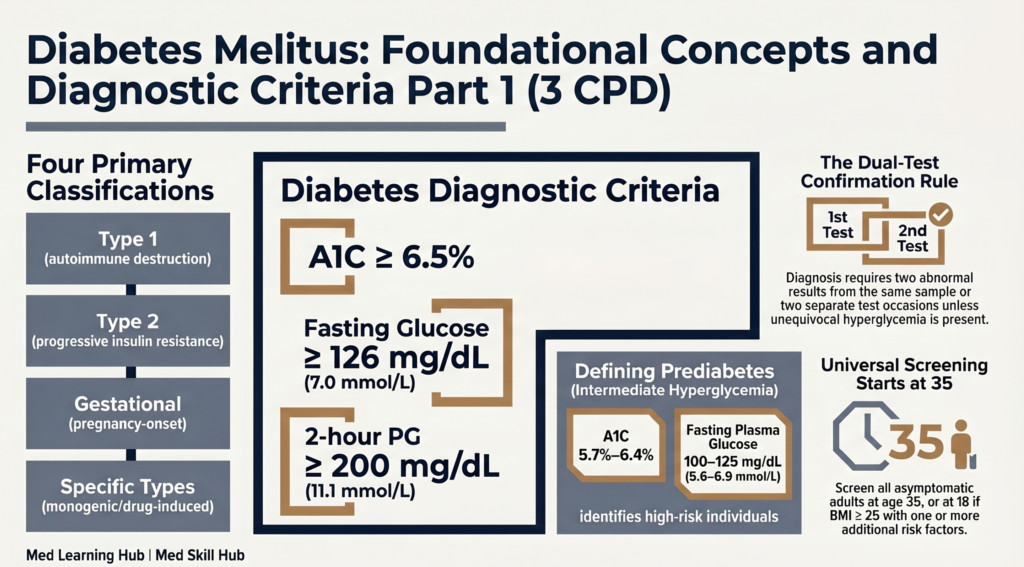
By the end of this CPD part, the learner should be able to: Define diabetes mellitus and explain its significance as a major clinical and public health condition. Classify the main types of diabetes mellitus, including Type 1, Type 2, gestational diabetes, and other specific forms. Explain the basic pathophysiology of diabetes mellitus, including insulin […]
Intestinal Parasites & Stool Examination : Chapter 2: Intestinal Protozoa: Powerpoint 2026 (3 CPD)
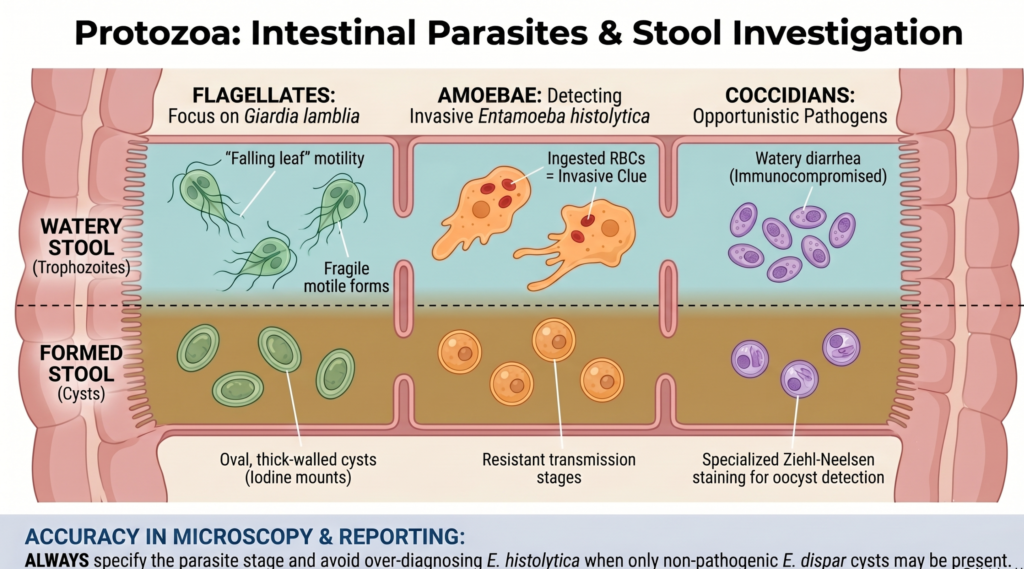
By the end of this CPD chapter, the learner should be able to: Describe the main intestinal protozoa of medical importance. Explain the life cycle and transmission routes of common intestinal protozoa. Identify the key microscopic features of protozoan cysts and trophozoites. Differentiate common protozoa such as Entamoeba histolytica/dispar, Giardia lamblia. Explain the clinical significance […]
Intestinal Parasites & Stool Examination : Chapter 3: Intestinal Helminths: Powerpoint 2026: (3 CPD)
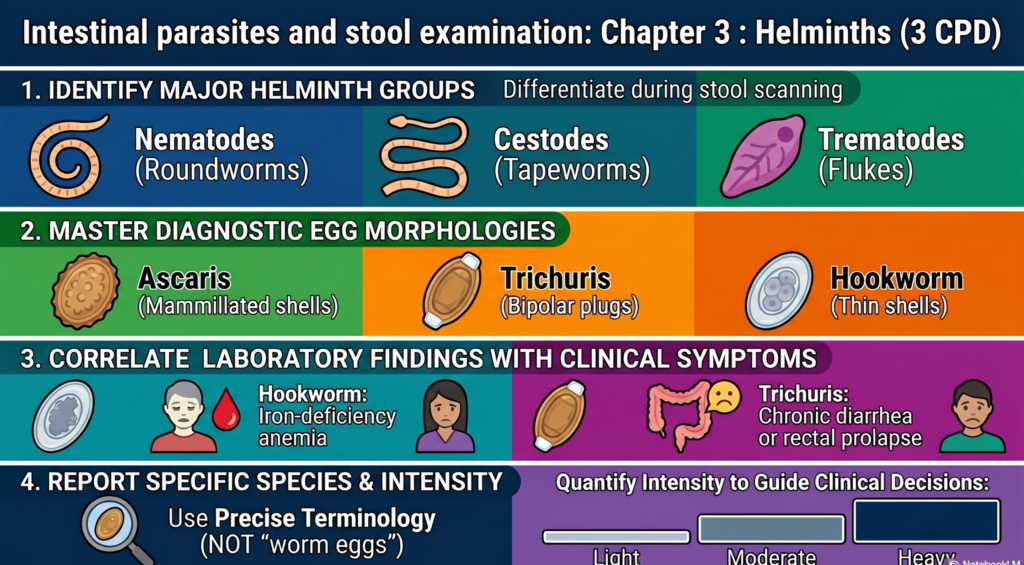
By the end of this CPD chapter, the learner should be able to: Describe the major intestinal helminths of medical importance. Classify intestinal helminths into nematodes, cestodes, and trematodes. Explain the transmission routes and life cycles of common intestinal helminths. Identify the key microscopic features of helminth eggs, larvae, and segments in stool specimens. Differentiate […]
Tumor Markers Part 1: Overview: Webcast 2026 (3 CPD)
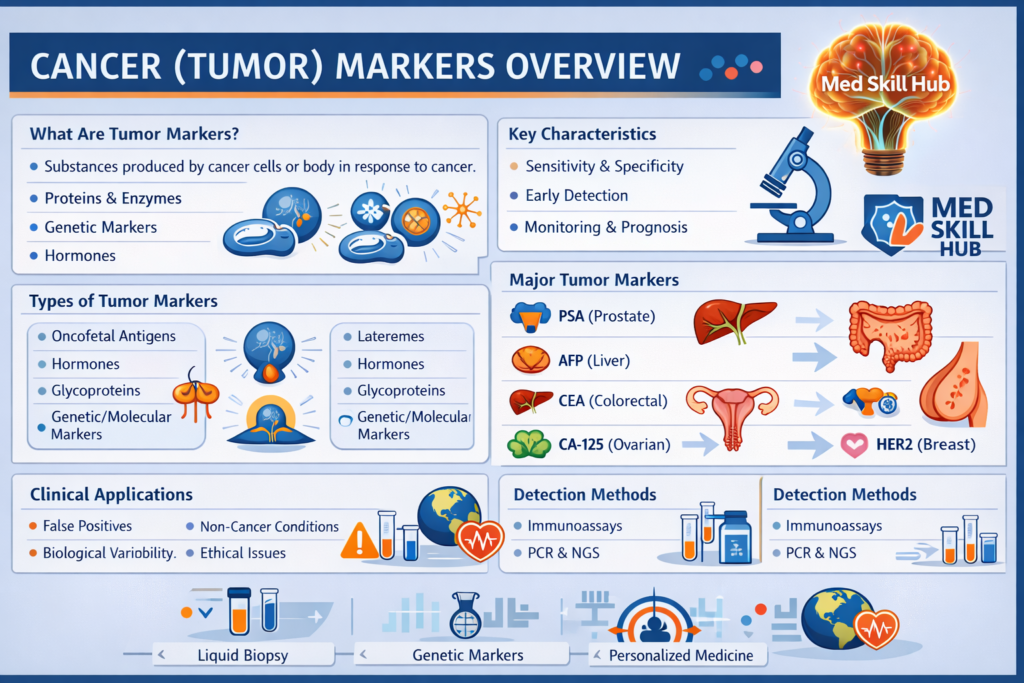
Cancer (Tumor) Markers 1. Introduction to Tumor Markers Definition of tumor markers Substances produced by cancer cells or host in response to cancer Types of markers Proteins, enzymes, hormones, genes, receptors Ideal tumor marker characteristics High sensitivity and specificity Correlates with tumor burden Detects early disease Limitations False positives (inflammation, benign conditions) Lack of specificity […]
Tumor Markers: Part 2: Clinical Significance and Diagnostic Applications: Webcast 2026 (3 CPD)
Cancer (Tumor) Markers 1. Introduction to Tumor Markers Definition of tumor markers Substances produced by cancer cells or host in response to cancer Types of markers Proteins, enzymes, hormones, genes, receptors Ideal tumor marker characteristics High sensitivity and specificity Correlates with tumor burden Detects early disease Limitations False positives (inflammation, benign conditions) Lack of specificity […]
