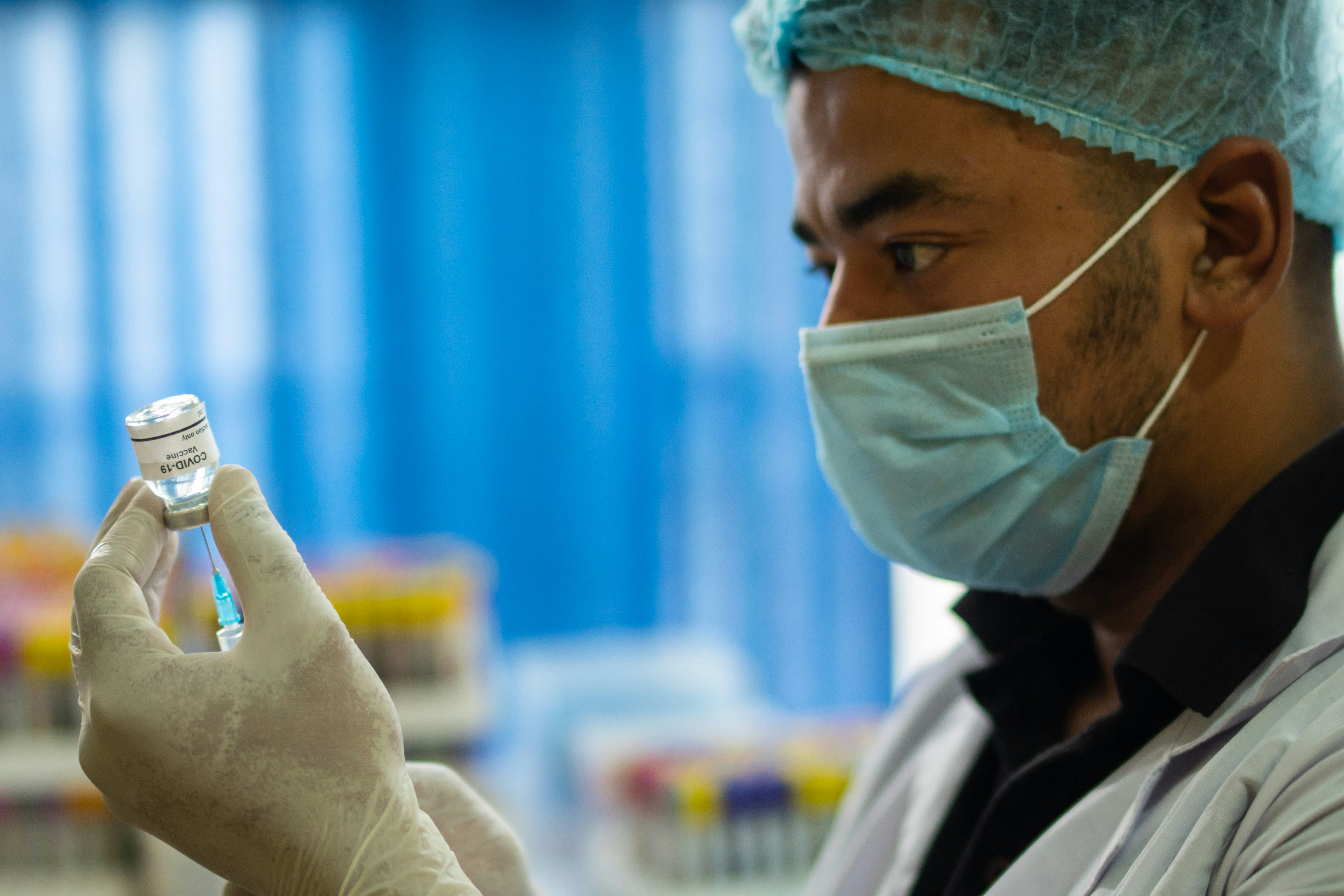
Understanding Preanalytical Errors
Preanalytical errors refer to inaccuracies that occur before laboratory analyses are conducted, significantly impacting the reliability of test results. These errors can emerge from various stages of the preanalytical phase, which encompasses sample collection, handling, and transportation. The significance of addressing these errors cannot be overstated; they can lead to incorrect diagnoses and unnecessary treatments, compromising patient safety and increasing healthcare costs.
The preanalytical phase initiates with sample collection. This crucial step involves not only obtaining a specimen from the patient but also ensuring that the correct type of sample is collected based on the test requirements. Factors such as timing of collection, patient preparation, and adherence to established protocols play a vital role in minimizing errors at this stage. For example, certain tests require fasting, and noncompliance may affect biochemical results, leading to potential misinterpretation by healthcare providers.
Once samples are collected, proper handling is essential. This stage includes processing the samples, such as centrifugation and storage, which should be performed according to specific guidelines. Failure to handle samples correctly, such as prolonged exposure to unsuitable temperatures, can result in hemolysis or degradation of the specimen, rendering it unsuitable for accurate testing.
The final aspect of the preanalytical phase is transportation. Safe and swift transportation of samples to the laboratory is critical to preserve their integrity until analysis. Any delays or improper conditions during transportation can lead to alterations in the sample composition, adversely affecting test outcomes. Understanding these stages and the potential errors that can arise is fundamental for laboratory personnel and healthcare providers alike to ensure the delivery of accurate, reliable diagnostic information.
Types of Common Preanalytical Errors Observed in Kenyan Laboratories
Preanalytical errors pose significant challenges in the diagnostic process, often leading to inaccurate results. In Kenyan hospital laboratories, various common preanalytical errors have been identified that can compromise the integrity of laboratory testing. One prevalent issue is incorrect patient identification. Instances where samples are labeled with incorrect patient information can lead to misdiagnosis and inappropriate treatment. Proper protocols must be adhered to, ensuring each specimen is accurately matched to its corresponding patient.
Another frequent error is improper sample collection techniques. For instance, insufficient blood volumes can result in diluted samples that skew test results. Additionally, not adhering to specific collection guidelines—such as the timing of specimen collection relative to medication administration—can further complicate matters. The use of incorrect containers for specific tests also contributes to this category of error, emphasizing the need for training and adherence to established protocols.
Sample contamination is yet another critical issue affecting laboratory results. Contaminated samples may arise from unclean collection sites or improper handling by personnel. Such contamination compromises the sample’s integrity and can lead to erroneous interpretations of results, affecting patient care. A notable statistic from local contexts indicates that nearly 15% of samples in some laboratories were compromised due to contamination issues.
Lastly, delays in sample processing are a significant concern, particularly in the busy environment of Kenyan hospitals. Whether due to logistical challenges or staffing shortages, these delays can affect the stability of certain analytes, leading to inaccurate or unreliable laboratory results. A case study in a Nairobi hospital highlighted that timely processing was compromised in over 20% of cases, reiterating the critical need for systemic improvements.
Addressing these common preanalytical errors is essential for improving the quality and reliability of laboratory services in Kenyan healthcare settings.
Impact of Preanalytical Errors on Patient Care
Preanalytical errors play a significant role in determining the quality of laboratory results, and consequently, they can have profound effects on patient care. These errors occur before the actual analysis of laboratory samples and can include mistakes related to sample collection, handling, transportation, and processing. When these errors occur, they can lead to misdiagnosis—a critical issue that may result in inappropriate treatment plans. For instance, a simple labeling mistake can lead to a patient receiving incorrect medications, which not only endangers their health but can also entrench the disease further.
The implications extend beyond individual patients, affecting entire healthcare systems and increasing costs. Misdiagnosis can prompt unnecessary further testing, the prescription of inappropriate therapies, and even extended hospital stays due to complications. As healthcare professionals navigate these challenges, they often cite the frustration that arises from dealing with the consequences of preanalytical errors. One doctor recalled an incident where a patient with elevated glucose levels was misdiagnosed due to sample contamination. The subsequent delay in treatment had a cascading effect on the patient’s health, illustrating the critical nature of accurate laboratory results in clinical decision-making.
In addition, preanalytical errors can also lead to diminished trust in healthcare systems. When patients experience adverse outcomes due to inaccuracies in lab results, their confidence in medical advice diminishes, potentially leading them to forgo necessary care in the future. This sentiment was echoed by a nurse who shared experiences where patients expressed their reluctance to return for follow-up tests due to past discrepancies. Overall, the impact of preanalytical errors underscores the necessity for stringent protocols and quality controls in laboratory settings, thereby enhancing patient outcomes and maintaining healthcare integrity.
Strategies for Minimizing Preanalytical Errors
Minimizing preanalytical errors in hospital laboratories is crucial to ensuring the accuracy and reliability of test results. Implementing effective strategies is essential for enhancing laboratory performance in Kenya. One of the foremost approaches is comprehensive staff training. Personnel should receive ongoing education about the importance of proper sample collection, handling, and transportation. By familiarizing staff with common pitfalls and instilling best practices, the likelihood of errors can be significantly reduced.
Furthermore, establishing standard operating procedures (SOPs) is another effective strategy. Clearly documented SOPs should outline each step involved in the preanalytical phase, including patient preparation, specimen labeling, and storage conditions. Ensuring that all laboratory personnel adhere to these protocols can lead to a more uniform approach and mitigate the risk of discrepancies in sample management.
Leveraging technology is also essential in minimizing errors. Implementing advanced patient identification systems, such as barcode scanning, can help ensure the correct matching of patients with their specimens. This technology serves as an additional safeguard against mislabeling and other operational mistakes that can occur during specimen collection. Additionally, utilizing laboratory information systems can facilitate better tracking and documentation of samples, thereby enhancing communication among healthcare providers.
Quality control measures play a vital role in safeguarding laboratory standards. Regular audits and performance evaluations can identify areas for improvement and facilitate the timely rectification of any issues that may arise. Encouraging a culture of safety and accuracy within the laboratory environment is equally important. Promoting open communication about error reporting allows staff to engage proactively in identifying potential risk factors and contributing to the overall quality of laboratory services.
By implementing these strategies, hospitals and laboratories in Kenya can work towards significantly reducing preanalytical errors, ultimately leading to more reliable patient outcomes.
