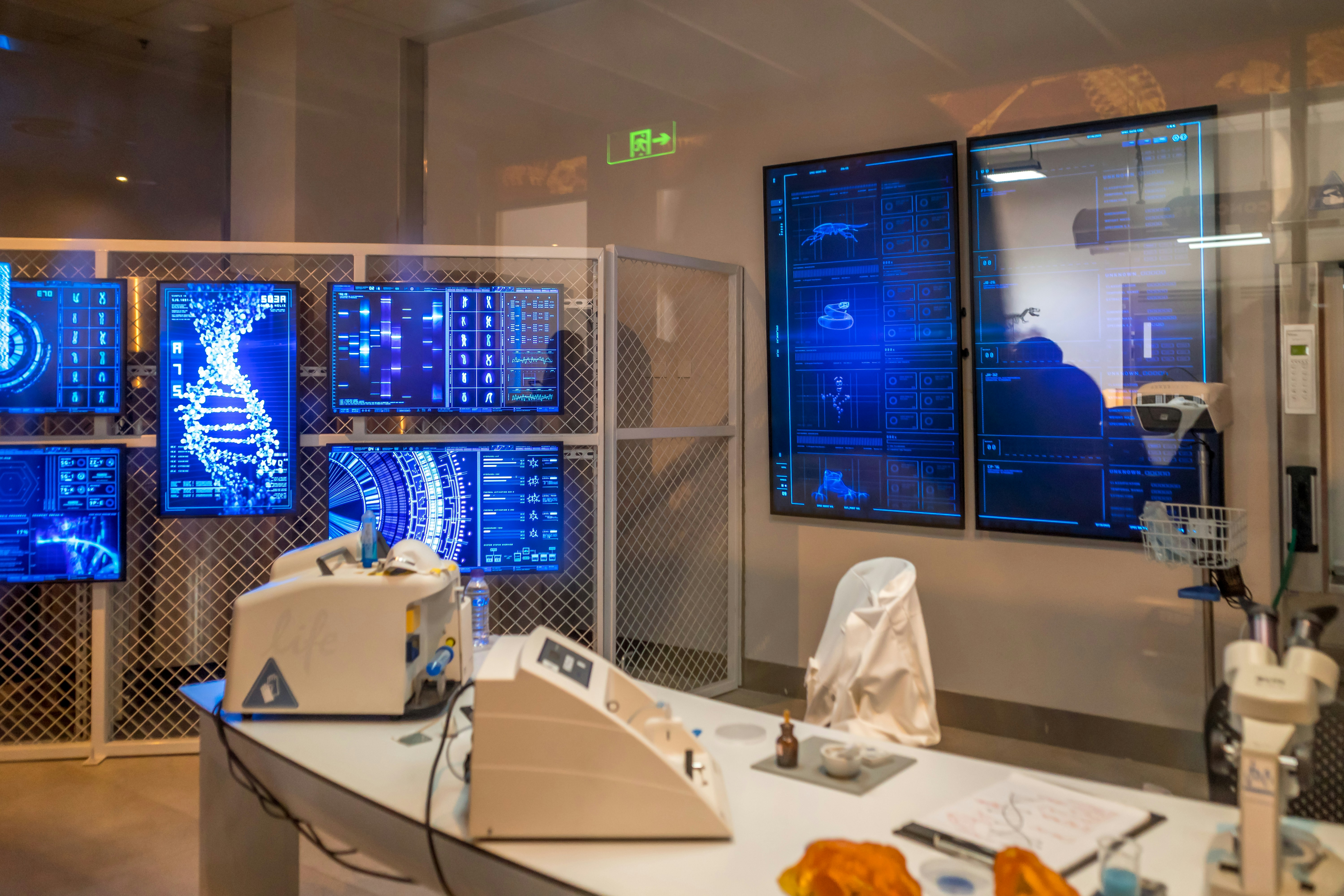
Introduction to Molecular Diagnostics
Molecular diagnostics is a rapidly evolving field within medical science that focuses on the analysis of biological markers in the genome and proteome to diagnose diseases, monitor health conditions, and tailor individualized treatment plans. This discipline leverages advanced techniques to identify specific genetic materials, enabling healthcare professionals to make informed decisions regarding patient care. In modern healthcare, the significance of molecular diagnostics is substantial, as it paves the way for precision medicine, allowing for more accurate and timely diagnoses.
At the core of molecular diagnostics are various techniques, including polymerase chain reaction (PCR), next-generation sequencing (NGS), and microarray analysis. These methods enable the amplification and detection of DNA, RNA, or proteins, which helps in identifying pathogens, genetic disorders, and other diseases with unparalleled accuracy. For instance, advancements in PCR technology allow laboratories to efficiently detect infectious agents, a critical capability in public health response and treatment regimens.
Furthermore, molecular diagnostics facilitates the identification of biomarkers that can predict disease risk and therapeutic responses. By understanding the underlying genetic and molecular mechanisms of diseases, healthcare providers can implement preventive measures and personalize treatment approaches for patients. This approach not only enhances patient care but also optimizes resource utilization within healthcare systems.
The impact of molecular diagnostics extends beyond mere disease identification; it also plays a crucial role in the field of oncology, where the identification of specific mutations can guide targeted therapies. As this domain continues to grow, the demand for skilled laboratory professionals who are proficient in these advanced techniques will rise. Therefore, embracing molecular diagnostics is not just an opportunity but a necessity for lab professionals seeking to enhance their competencies and align with contemporary healthcare needs.
Understanding Next-Generation Sequencing (NGS)
Next-Generation Sequencing (NGS) represents a revolutionary approach to genetic analysis, facilitating rapid and detailed examination of a wide range of biological samples. Unlike traditional sequencing methods, which often focus on one gene at a time, NGS technology enables the sequencing of millions of DNA strands simultaneously. This high-throughput methodology significantly accelerates the process of genetic research and diagnostic testing, offering unparalleled insights into the genomic landscape of various organisms and diseases.
The benefits of NGS extend beyond mere speed; it enhances diagnostic accuracy through its ability to identify variations at multiple loci across the genome. This capability is particularly beneficial in the field of personalized medicine, where understanding an individual’s unique genetic makeup can lead to tailored treatment strategies. For instance, NGS has shown great promise in oncology, allowing for the identification of specific mutations that may be targeted with precision therapies, thereby improving patient outcomes. Additionally, its applications in infectious disease testing enable the detection of pathogens through whole-genome sequencing, which can inform treatment plans and public health responses.
In recent years, the importance of NGS in Kenyan labs has been growing steadily, aligning with global trends in molecular diagnostics. As healthcare systems in Kenya evolve, the integration of NGS technology stands to not only enhance the capabilities of laboratories but also improve the overall quality of healthcare delivery. Enhanced training programs and resource allocation for lab professionals in this area are crucial to harness the potential of NGS fully. By prioritizing next-generation sequencing, healthcare practitioners can elevate their diagnostic processes and contribute significantly to advancing personalized medicine in the region.
The Role of Polymerase Chain Reaction (PCR)
The Polymerase Chain Reaction (PCR) is a revolutionary technique that has significantly transformed the field of molecular diagnostics. At its core, PCR is a method used to amplify specific DNA sequences, allowing for minute quantities of genetic material to be detected and analyzed. This amplification process involves repeated cycles of denaturation, annealing, and extension, leading to exponential increases in the target DNA. The fundamental principles of PCR capitalize on the unique ability of DNA polymerase enzymes to synthesize new strands of DNA based on template strands, thereby making it an essential tool in the diagnosis of various diseases.
In the context of Kenyan healthcare, PCR has found extensive applications, particularly in the diagnosis of infectious diseases such as HIV, tuberculosis, and more recently, COVID-19. For instance, the rapid detection of multidrug-resistant tuberculosis has been greatly enhanced through the use of PCR-based assays, enabling timely treatment and better patient outcomes. Moreover, PCR plays a crucial role in monitoring viral loads in HIV-positive individuals, ultimately assisting in the management and control of the disease in the Kenyan population.
The relevance of PCR training for lab professionals cannot be overstated. Understanding the technical nuances of PCR is essential for laboratory technicians and healthcare professionals to effectively utilize the technology in their day-to-day operations. Proper training ensures accurate interpretation of results, adherence to quality standards, and the ability to troubleshoot potential issues that may arise during the testing process. As molecular diagnostics continue to evolve, equipping lab professionals with the necessary PCR skills will enhance the overall diagnostic capabilities within healthcare systems, leading to improved patient care and health outcomes.
The Intersection of Bioinformatics and Molecular Diagnostics
As the landscape of health care and laboratory science continues to evolve, the integration of bioinformatics with molecular diagnostics has emerged as a transformative approach that enhances diagnostic capabilities. Molecular diagnostics techniques, such as Next-Generation Sequencing (NGS) and Polymerase Chain Reaction (PCR), generate vast amounts of data that require meticulous analysis and interpretation. This is where bioinformatics plays a critical role, offering the tools and methodologies necessary to make sense of this complex data.
Bioinformatics encompasses a variety of computational techniques that facilitate the analysis and understanding of biological data, particularly in relation to genomic and molecular information. By employing bioinformatics, lab professionals can efficiently process large data sets generated from molecular diagnostics, allowing them to identify genetic variations, predict disease susceptibility, and tailor patient-specific treatment regimens. The intersection of these two disciplines streamlines the path from data generation to clinical application, significantly enhancing diagnostic insights.
Moreover, to thrive in this interdisciplinary field, lab professionals require a diverse skill set that encompasses both molecular biology and data science. Proficiency in programming languages, such as Python or R, is essential for working with bioinformatics tools and software, enabling the analysis of genomic data. Understanding statistics is also critical, as professionals need to interpret the results generated by bioinformatics algorithms accurately. Additionally, familiarity with databases containing genomic and clinical information is important for contextualizing findings and translating them into actionable insights.
Ultimately, the confluence of bioinformatics and molecular diagnostics demonstrates the need for lab professionals to embrace next-generation skills. This fusion of expertise not only enhances the accuracy and efficiency of diagnoses but also positions professionals at the forefront of technological advancements in the health care sector.
Current Trends in Molecular Diagnostics
Molecular diagnostics has been at the forefront of the evolving landscape of laboratory medicine, influenced by technological advancements and changing healthcare demands. A notable trend is the shift towards rapid and accurate testing methods, which has significantly improved patient care. The urgency for timely diagnostics has become increasingly apparent, particularly highlighted during global health crises, such as the COVID-19 pandemic. Laboratories are now prioritizing the implementation of point-of-care testing (POCT) and next-generation sequencing (NGS), which allow for quicker and more comprehensive analysis of genetic material.
Emerging technologies, such as CRISPR-based diagnostics and microfluidics, are also reshaping the molecular diagnostics field. CRISPR technology provides innovative approaches for detecting pathogens with high specificity and sensitivity, offering results in a fraction of the time required by traditional methods. Microfluidic devices enable the manipulation of small volumes of fluids, facilitating faster reactions and reducing costs associated with testing. These advancements are crucial for laboratories in Kenya, where resource constraints often pose significant challenges to effective healthcare delivery.
Another significant factor is the influence of regulatory changes on laboratory practices. In Kenya, evolving regulations are promoting the standardization of testing protocols and ensuring compliance with international best practices. This shift encourages laboratories to embrace molecular diagnostics as a priority, establishing infrastructure that supports the increasing demand for reliable testing. Moreover, education and training in molecular techniques are becoming essential for lab professionals, enabling them to adapt to these changes effectively.
In summary, the current trends in molecular diagnostics strongly emphasize rapid, accurate testing methods and the integration of innovative technologies. These developments, along with regulatory reforms, are positioning Kenyan laboratories to enhance their diagnostic capabilities and improve healthcare outcomes.
Challenges and Opportunities for Kenyan Labs
In the evolving landscape of healthcare, Kenyan laboratories face a myriad of challenges as they strive to integrate molecular diagnostics into their practices. One of the primary obstacles is resource limitations. Many labs operate under tight budgets, which can impede the acquisition of necessary equipment and technology essential for molecular diagnostics. High upfront costs associated with purchasing and maintaining advanced diagnostic instruments often deter labs from adopting these essential tools. Furthermore, reagents and consumables, crucial for molecular testing, can be expensive and difficult to source locally, exacerbating the fiscal constraints encountered by laboratories.
Another significant challenge is the deficit in training and expertise among laboratory personnel. Molecular diagnostics require a specialized skill set that may not be fully supported by existing educational programs in Kenya. Consequently, laboratory professionals may find themselves inadequately equipped to perform complex molecular tests or interpret results correctly. This lack of training can lead to suboptimal patient outcomes and inefficiencies in laboratory operations.
In addition to these challenges, infrastructural issues pose a substantial barrier to the implementation of molecular diagnostics in Kenyan labs. Many laboratories lack the necessary physical infrastructure, including adequate space, biosafety measures, and reliable electricity and water supply, which are vital for conducting molecular tests. These infrastructural shortcomings can jeopardize compliance with international quality standards, further inhibiting the growth of diagnostic capabilities.
Despite these challenges, the integration of molecular diagnostics presents significant opportunities for the Kenyan healthcare system. By adopting these advanced techniques, laboratories can enhance disease detection, improve patient management, and contribute to better health outcomes on a national scale. The potential for rapid and accurate diagnosis of infectious diseases and genetic disorders can pave the way for targeted therapies and interventions, ultimately strengthening the healthcare framework in Kenya.
Upcoming Med Skill Hub Courses and Training
As the field of molecular diagnostics continues to evolve, ongoing education becomes increasingly essential for lab professionals. One of the primary resources available for enhancing knowledge and skills in this area is the Med Skill Hub, which offers a variety of specialized courses tailored specifically for those working in diagnostic laboratories in Kenya. These courses are designed to equip professionals with both theoretical knowledge and practical skills necessary to excel in the rapidly changing landscape of molecular diagnostics.
Among the key offerings is a course dedicated to Next-Generation Sequencing (NGS), which has emerged as a cornerstone technology in molecular diagnostics. This course comprehensively covers the fundamentals of NGS, including its applications in genomics and personalized medicine. By participating in this training, lab professionals can learn not just the operational aspects of NGS technologies, but also how to interpret sequencing data effectively, a critical skill in modern laboratory settings.
Another significant area of focus is the Polymerase Chain Reaction (PCR) course, essential for any lab professional working with molecular diagnostics. Given the pivotal role that PCR plays in amplifying DNA segments for various applications, a thorough understanding of this technology is critical. The course includes hands-on practice and troubleshooting guidelines, ensuring participants can optimize their PCR protocols in real-world scenarios.
In addition to NGS and PCR, bioinformatics training is increasingly necessary for professionals aiming to analyze and interpret complex data generated through molecular techniques. The bioinformatics course provided by Med Skill Hub incorporates essential software tools and data analysis methodologies, fostering skills that are indispensable in decoding genomic data.
Overall, these courses at Med Skill Hub emphasize the importance of continuous education for lab professionals. By engaging in specialized training, individuals can not only enhance their expertise but also stay relevant and competitive within the evolving field of molecular diagnostics.
The Future of Molecular Diagnostics in Kenya
Molecular diagnostics in Kenya is on the cusp of significant evolution, poised to transform the landscape of healthcare through technological advancements and policy initiatives. As the nation increasingly recognizes the importance of precision medicine, the integration and application of molecular diagnostic tools will become more pronounced. Innovations in technology, such as next-generation sequencing and polymerase chain reaction (PCR), are expected to enhance throughput and accuracy, thereby improving overall diagnostic capabilities. These advancements provide the foundation for a more robust healthcare system, enabling timely disease detection and tailored treatment approaches.
The Kenyan government is taking steps to reform healthcare policies, focusing on enhancing laboratory infrastructure and expanding access to molecular diagnostic techniques. Such initiatives aim to bridge the gap between urban and rural healthcare services, ensuring that advanced diagnostics are not confined to metropolitan areas. As training for laboratory professionals improves and more institutions begin to adopt cutting-edge technologies, accessibility to molecular diagnostics will gradually increase. This democratization of healthcare services will ultimately lead to better health outcomes for the population.
Furthermore, the impact of molecular diagnostics on patient care cannot be understated. By facilitating rapid and accurate disease identification, these tools can guide more effective treatment plans, reducing the burden of infectious diseases and genetic disorders. Enhanced diagnostics will also support public health monitoring, allowing for early detection of outbreaks or the emergence of resistant strains. As Kenya invests in research and development and fosters a culture of innovation, we can anticipate an era where molecular diagnostics are integral to routine healthcare delivery, improving the quality of life and health equity across the nation.
In conclusion, the future of molecular diagnostics in Kenya appears promising, driven by technological breakthroughs, supportive policies, and a commitment to improving patient care. As these advancements unfold, they will likely play a crucial role in shaping the future of healthcare in the region.
Conclusion: Embracing Next-Generation Skills
In the rapidly evolving landscape of healthcare, molecular diagnostics represents a significant advancement that lab professionals cannot afford to overlook. The integration of these next-generation skills is pivotal as they enhance diagnostic accuracy, enable early disease detection, and ultimately improve patient outcomes. As we witness the growing prevalence of genetic testing and personalized medicine, it becomes evident that mastering molecular diagnostics is no longer optional but rather essential. Lab professionals in Kenya must recognize the importance of these innovative methodologies to stay relevant in their field.
Moreover, by adopting molecular diagnostic tools, laboratories are positioned to deliver timely and precise results, helping to mitigate public health challenges. These technologies allow for comprehensive analysis, empowering healthcare providers with the information needed to make informed decisions. It is crucial for lab professionals to actively engage in continuous education and training to harness these advancements fully.
The call to action is clear: laboratories in Kenya must prioritize the integration of molecular diagnostics into their operations. This commitment will not only elevate the standards of healthcare delivery but also ensure that professionals are equipped with the necessary skill set to navigate future challenges. Moreover, as these skills become standardized, the collective capability of healthcare systems will inevitably improve, fostering a more robust response to emerging health threats.
In summary, embracing next-generation skills through molecular diagnostics is a transformative step for lab professionals. This shift is beneficial not only for individual laboratories but also for the healthcare landscape at large. By prioritizing these advancements, lab professionals can significantly contribute to the evolution of healthcare delivery in Kenya, where efficient and effective diagnostics are vital for the well-being of the population.
