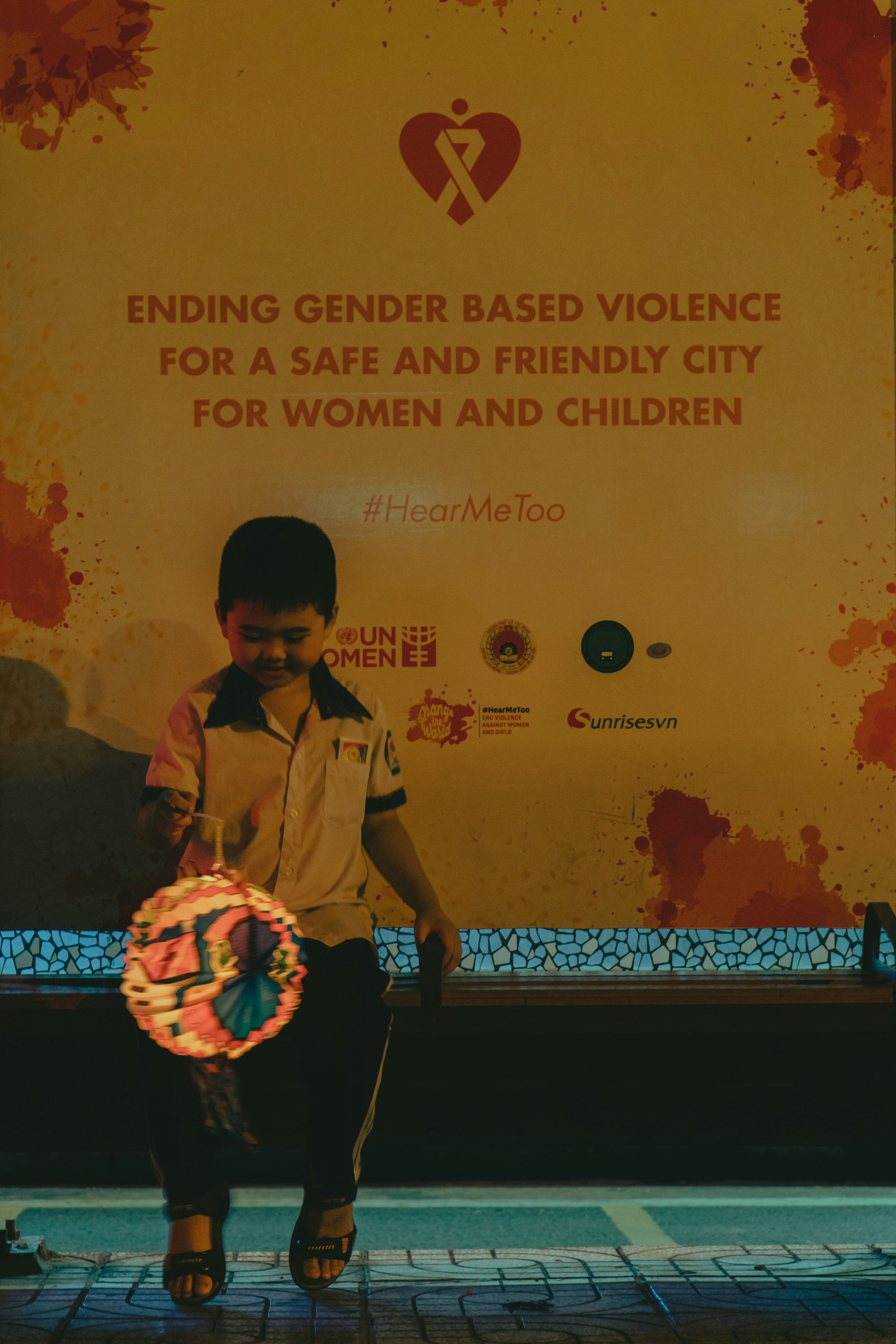
The Context of Neglect: Understanding the Reality of the Boy Child in Kenya
The boy child in Kenya faces a unique set of challenges shaped by various social, cultural, and economic factors. Traditional gender roles play a pivotal role in defining societal expectations and priorities. In many communities, boys are often deemed less vulnerable compared to girls, which can lead to a systematic oversight of their needs and concerns. This perception is further reinforced by cultural narratives that emphasize the importance of supporting girls, particularly in education and health, due to historical inequalities. Consequently, boys may not receive the attention or resources they require to flourish.
Statistics indicating the state of the boy child reveal alarming trends. For instance, enrollment rates in primary and secondary education have shown disparities, with a significant drop-off observed as boys progress through the education system. According to reports, while girls’ participation in secondary education increases, boys are sometimes encouraged to leave school in favor of early labor, which is considered a means of contributing to household income. This diversion often results in a cycle of underdevelopment and limited opportunities for boys, reinforcing the very neglect society aims to address.
Health outcomes also depict a worrying scenario. Data suggests that boys tend to have lower healthcare engagement compared to girls, partly due to societal beliefs that boys should exhibit strength and self-reliance. These expectations can discourage boys from seeking medical assistance, leading to untreated health issues. Additionally, societal participation of boys in community and civic engagements is often overshadowed by the emphasis on girls’ empowerment initiatives, leaving boys marginalized and contributing to a growing sense of neglect.
Addressing the plight of the boy child in Kenya necessitates a holistic approach that challenges existing gender norms and recognizes the unique challenges they face. By understanding these sociocultural dynamics, stakeholders can work towards creating a more inclusive environment that fosters the development of all children, regardless of gender.
Stereotypes and Expectations: The Unspoken Pressure on Boys
In Kenya, societal expectations surrounding masculinity impose a considerable weight on the boy child, creating a spectrum of pressures that can adversely affect his mental and emotional well-being. From a young age, boys are often conditioned to believe that they must embody traits such as strength, independence, and success. These stereotypes not only shape their identities but also dictate how they are perceived and treated within their communities.
As they navigate childhood and adolescence, boys frequently encounter the expectation to remain stoic, suppressing their emotions and refraining from expressing vulnerability. This cultural narrative reinforces the belief that showing emotion is a sign of weakness, which can lead to harmful consequences. Research indicates that this emotional repression can contribute to higher rates of depression and anxiety among young males, illustrating the dire need for a shift in how masculinity is discussed and perceived.
The pressure to achieve success further compounds these challenges. Boys are often judged on their academic performance and physical prowess, with many feeling they must conform to a narrow definition of “success.” Those who fall short of these expectations may experience feelings of inadequacy, leading to increased instances of risky behaviors and, in some cases, violence as a misguided attempt to assert their masculinity.
Personal anecdotes reveal profound insights into the impacts of these societal pressures. For instance, one young boy narrated how he felt compelled to join street gangs to prove his worth, stemming from the belief that power and aggression were inherent to masculinity. Such experiences highlight the urgent need to address these pervasive stereotypes that not only burden the individual but also threaten community cohesion and safety.
The culmination of these pressures emphasizes the need for a supportive dialogue regarding masculinity in Kenya, focusing on redefining what it means to be a boy and championing emotional expression as a strength rather than a weakness.
Shifting Gender Priorities: Analyzing the Changing Landscape of Gender Roles
In contemporary Kenyan society, the dialogue surrounding gender roles has undergone significant evolution. With heightened advocacy for gender equality, there has been a notable shift in policies and community initiatives aimed at empowering girls and women. While these efforts are crucial for addressing historical imbalances, they have also unwittingly resulted in the marginalization of boys in some contexts. The emphasis on gender equality must not come at the expense of the boy child, who faces unique challenges that require attention and resources.
The educational landscape is one area where these changing priorities manifest. Schools have increasingly implemented programs designed to support girls’ education, aiming to correct past disparities that have favored boys. While these initiatives are vital, they often overlook the specific educational needs of boys, contributing to academic underachievement and disinterest in schooling. The push for girls to excel academically should come hand-in-hand with equally robust support for boys, recognizing that both genders deserve the opportunities to thrive.
In policy-making, the focus has tended to prioritize female empowerment metrics, sometimes neglecting the socio-economic factors that affect boys’ development. Boys, particularly from disadvantaged backgrounds, face issues such as high dropout rates, lack of mentorship, and involvement in negative influences. Policies that close the gender gap must therefore include provisions and resources targeted specifically at boys to ensure an equitable approach to gender development.
Community initiatives also play a vital role in shaping gender perceptions. Programs that actively engage boys in discussions about gender roles and responsibilities can foster a culture of inclusivity. Workshops, mentorship schemes, and cooperative learning environments can help in dismantling the stereotypes that pigeonhole boys into rigid identities. Encouraging boys to participate in dialogues on gender equality not only empowers them but also aids in creating a balanced societal perspective. Thus, a unified approach, inclusive of both girl and boy children, is essential for fostering an equitable environment where all children can thrive.
Pathways to Support: Strategies for Empowering the Boy Child in Kenya
Empowering boys in Kenya requires a multifaceted approach that encompasses community programs, educational reforms, and mental health awareness campaigns. These strategies are essential to address the unique challenges faced by the boy child and to foster an environment conducive to their holistic development.
Community programs play a vital role in supporting boys by providing them with safe spaces to learn and grow. Initiatives that incorporate mentorship can significantly enhance boys’ self-esteem and life skills. Engaging local leaders and organizations to facilitate workshops can help nurture emotional intelligence and build resilience among boys. Such programs can also include sports and recreational activities that encourage teamwork, discipline, and social interaction, all critical for personal development.
In terms of educational reforms, it is essential to create inclusive and equitable learning environments in schools. This can be achieved by adapting teaching methods to cater to the diverse learning styles of boys. Implementing curricula that promote gender equality and feature positive male role models can build a more supportive educational landscape. Furthermore, training teachers on the specific needs of boys can ensure that they are equipped to nurture their emotional and educational requirements effectively.
Mental health awareness campaigns specifically targeting boys are crucial in a society where stigmas around mental health persist. These campaigns should focus on normalizing discussions about emotions and mental well-being. Providing access to counseling services in schools can encourage boys to seek help when needed. Additionally, outreach programs that educate families about mental health can foster a supportive home environment, where boys feel comfortable expressing their feelings and challenges.
Ultimately, achieving these objectives requires the collaboration of families, schools, and policymakers. By establishing a supportive and nurturing environment, we can create pathways for boys in Kenya that promote their growth and development, ensuring they thrive amidst the challenges they face.
