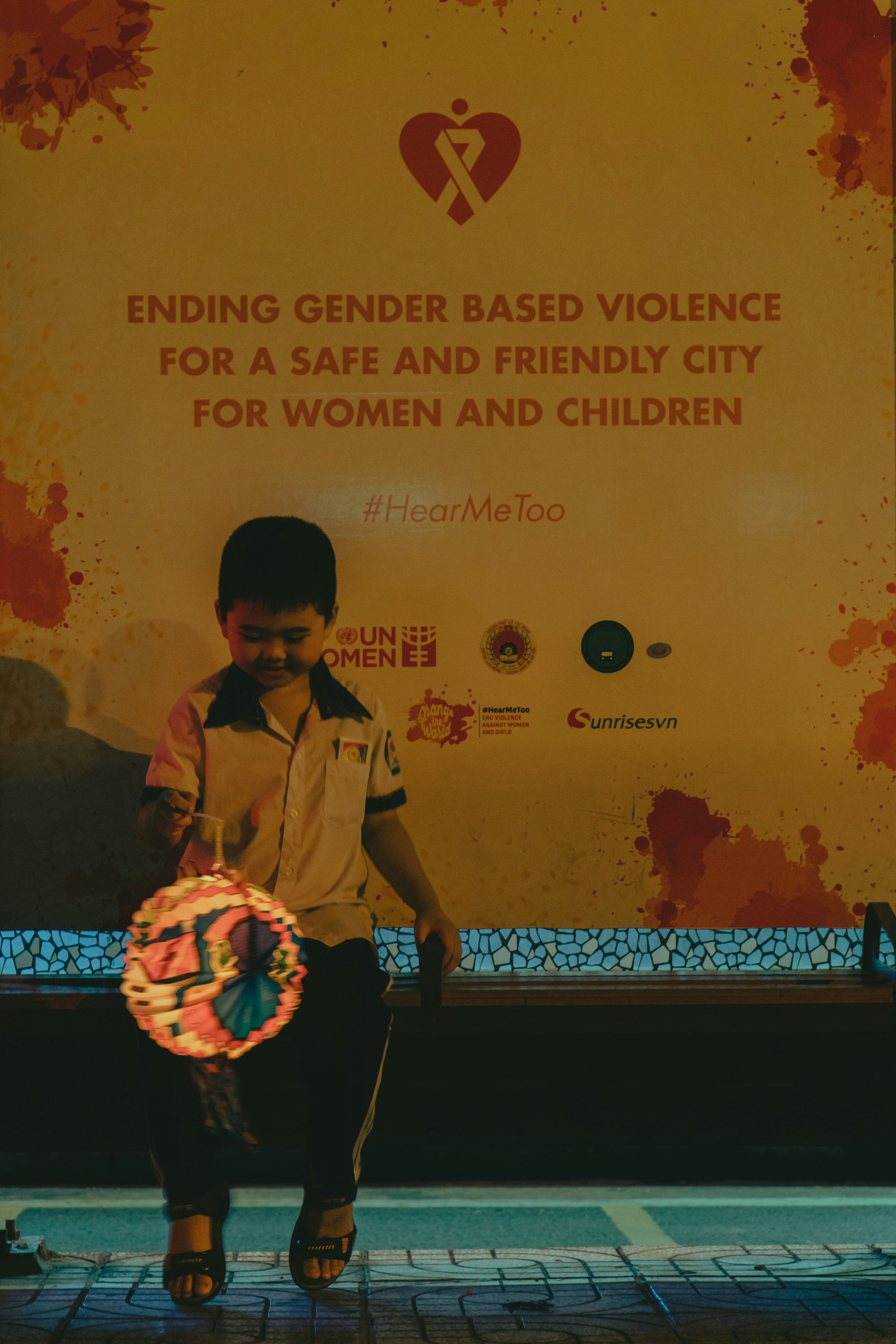
Forms of Gender-Based Violence
Gender-based violence (GBV) is a pervasive issue that manifests in various forms, significantly affecting individuals in Kenya. Each form of GBV reflects different underlying causes and can result in severe consequences for the victims. The four primary forms are physical, sexual, psychological, and economic abuse, all of which contribute to the broader spectrum of gender inequality.
Physical abuse is perhaps the most recognizable form of GBV, involving acts such as hitting, slapping, or any other form of violence that causes bodily harm. This type of violence often occurs in intimate partner relationships, where power dynamics can lead to destructive behaviors. For instance, many women in Kenya have reported instances where they were physically assaulted by their partners over perceived disobedience, highlighting the normalization of violence within certain cultural contexts.
Sexual abuse encompasses a range of acts including rape, sexual assault, and coercion. In Kenya, this form of GBV is alarmingly prevalent, with many survivors struggling to report incidents due to societal stigma and victim-blaming attitudes. An example includes the troubling rise of sexual violence during conflicts or in communities facing social upheaval, whereby women’s bodies become battlegrounds.
Psychological abuse, although less visible, can be just as damaging. This form includes emotional manipulation, isolation, humiliation, and threats, which can lead to long-term mental health issues for victims. Women may experience belittling comments or intimidation from partners, consistently eroding their self-worth and autonomy.
Finally, economic abuse involves controlling a victim’s access to financial resources, thereby limiting their independence. This can manifest through restricting employment opportunities or siphoning off wages. Many women in Kenya face restrictions in accessing financial resources, which reinforces their dependency on abusive partners.
Understanding the various forms of gender-based violence in Kenya illuminates the urgency for comprehensive strategies to combat these harmful practices, ensuring necessary support for survivors and fostering a culture of respect and equality.
Prevalence Data and Statistics
Gender-based violence (GBV) remains a pressing issue in Kenya, as recent statistics reveal alarming prevalence rates across various demographics and regions. According to the Kenya Demographic and Health Survey (KDHS) conducted in 2022, approximately 45% of women aged 15-49 have experienced either physical or sexual violence in their lifetime. This statistic underscores the grave reality that almost half of the female population is subjected to some form of violence, primarily from intimate partners.
In addition to physical and sexual abuse, psychological violence also takes a significant toll on individuals. The same survey indicates that around 20% of women experience psychological violence, highlighting the multifaceted nature of GBV. Notably, these figures are not uniform across the country; regions such as the Rift Valley and Nairobi report higher rates of GBV compared to coastal regions, where cultural and economic factors significantly influence the dynamics surrounding gender-based violence.
Further analysis of age demographics reveals that younger women, particularly those between 15 to 24 years old, are at a heightened risk, with nearly 60% reporting incidents of violence. This finding calls for targeted interventions aimed at younger populations to effectively address and mitigate the risk of GBV. Moreover, the prevalence of GBV is compounded by socioeconomic factors, such as poverty and unemployment, which are critical contributors to an environment where violence thrives.
Recent expert insights suggest that a lack of accessible support systems and legal recourse for victims exacerbates the issue. Many survivors do not report incidents due to fear of stigmatization or retribution, making it essential to improve reporting mechanisms and support services. The urgent need for awareness, education, and community engagement to tackle GBV in Kenya cannot be overstated, as these statistics serve as a staggering reminder of the hidden epidemic that demands immediate action.
Consequences of Gender-Based Violence
Gender-based violence (GBV) poses significant consequences that affect individuals and communities at large. The immediate physical consequences may include injuries such as bruises, fractures, or more severe injuries that necessitate medical attention. Survivors often experience long-lasting health issues, including chronic pain and disabilities, which require extensive healthcare resources and support. In addition to these physical repercussions, the emotional and mental health impacts are profound. Many survivors report experiencing anxiety, depression, and post-traumatic stress disorder (PTSD), which can hinder their ability to function in daily life.
Economically, the repercussions of GBV extend beyond individual survivors to affect families and communities. Victims may find it challenging to maintain employment due to physical and emotional trauma. This loss of income can lead to a cycle of poverty for families left to cope with the aftermath of violence. Furthermore, children exposed to such violence often face a disrupted education, reducing their future economic opportunities. For instance, a case study from Nairobi illustrates how a young mother, who was a victim of domestic violence, struggled to retain her job. Her absence due to medical treatment significantly affected her family’s financial stability.
Long-term societal impacts of GBV are equally alarming. Communities often bear the brunt of increased healthcare costs and loss of productivity. Moreover, the normalization of gender-based violence can create a pervasive culture of silence and stigma, preventing victims from seeking help or reporting incidents. The testimonies of survivors reveal the effects of societal shame; many feel isolated and unsupported. Overall, the consequences of gender-based violence in Kenya are multifaceted, affecting not only the immediate victims but also the fabric of society at large. As awareness grows, it is imperative to understand these impacts to foster a supportive environment for healing and societal change.
Awareness and Collective Responsibility
Raising awareness about gender-based violence (GBV) is fundamental in combating this pervasive issue in Kenya. Awareness empowers individuals and communities to understand the complexities of GBV, including its causes and consequences. Through education, communities can begin to dismantle the misconceptions and stereotypes that perpetuate violence. This shift in understanding fosters an environment conducive to respect and equality, essential components in the fight against GBV.
Collective responsibility plays a critical role in addressing gender-based violence. It is crucial for communities, organizations, and individuals to recognize that everyone has a part to play in the prevention and intervention of GBV. Engaging men and boys in discussions about respect and equality is particularly important; they can serve as allies in changing narratives that normalize violence. Additionally, partnerships with local organizations that specialize in supporting victims can help provide immediate assistance and long-term resources necessary for healing.
To effectively combat GBV, institutions such as schools, workplaces, and community groups must actively promote awareness campaigns. This can include workshops, seminars, and discussions that address the dynamics of GBV, its impact, and legal frameworks. Establishing safe reporting mechanisms encourages victims to come forward without fear of stigma or retaliation. Furthermore, integrating GBV education into school curriculums can foster a culture of mutual respect among future generations, instilling critical values early on.
On a personal level, individuals can contribute by being vigilant and responsive to the signs of violence in their surroundings. This involves actively listening to witnesses and victims, providing support, and advocating for resources. Simple acts, like participating in local awareness campaigns and sharing information on social media, can significantly raise visibility around gender-based violence. By adopting a collective approach, we can create a society that strongly rejects GBV and promotes dignity for all its members.

What’s up, after reading this remarkable article i am also glad to share my experience here with mates.