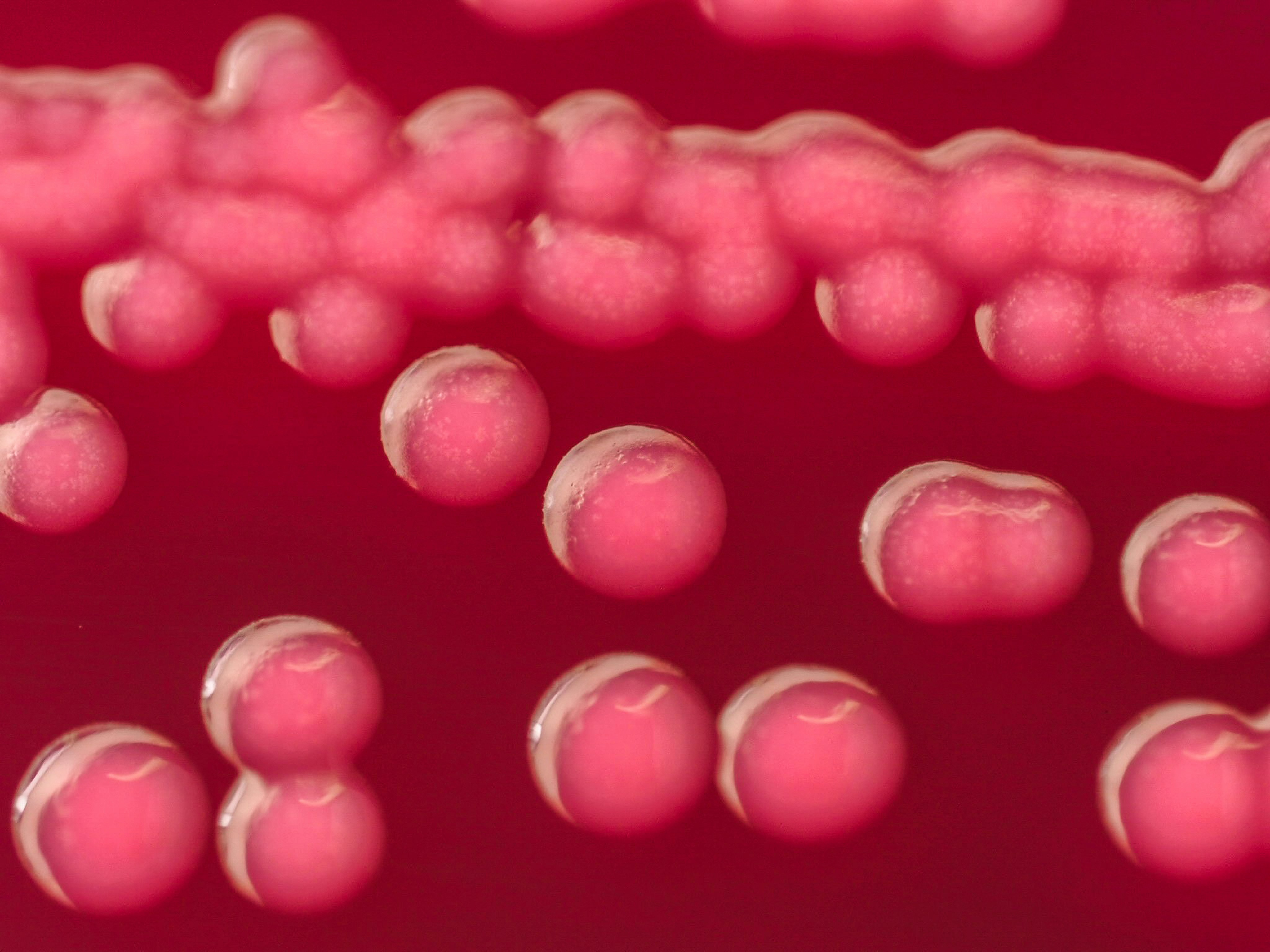
Introduction to Gram Positive Cocci
Gram positive cocci are a group of spherical bacteria that retain the crystal violet stain used in the Gram staining procedure. This characteristic is primarily due to their thick peptidoglycan layer, which is relatively impervious to decolorization. Gram positive cocci are classified into several genera, with the most prominent being Streptococcus and Staphylococcus, which play a crucial role in both health and disease.
Staphylococcus species, particularly Staphylococcus aureus, are well-known for their involvement in a variety of infections, ranging from skin conditions to severe systemic diseases. S. aureus is notorious for its capability to develop antibiotic resistance, notably methicillin-resistant Staphylococcus aureus (MRSA), rendering it a significant concern in clinical settings.
On the other hand, the Streptococcus genus is subdivided into two major groups, the alpha-hemolytic and beta-hemolytic streptococci. The alpha-hemolytic group includes Streptococcus pneumoniae, a pivotal pathogen responsible for pneumonia and meningitis. The beta-hemolytic Streptococcus pyogenes is associated with diseases such as pharyngitis and rheumatic fever. These species demonstrate varying pathogenic mechanisms and clinical manifestations, highlighting the diversity and importance of gram positive cocci in medical microbiology.
In addition to their pathogenicity, gram positive cocci can also be part of normal human microbiota, aiding in a routine biological processes but potentially leading to opportunistic infections under certain conditions. Understanding their characteristics, classification, and clinical significance is essential for effective diagnosis and treatment of infections. Thus, the study of gram positive cocci provides a crucial insight into microbial interactions and their implications for public health.
Morphological Features
Gram positive cocci are spherical-shaped bacteria that typically range in size from 0.5 to 1.0 micrometers in diameter. Under a microscope, these organisms can be readily identified by their distinctive round shape, which stands in contrast to bacilli, the rod-shaped bacteria, and spirilla, which have a spiral configuration. The morphology of gram positive cocci plays a crucial role in their identification and classification, particularly during laboratory diagnostics.
When observed through a microscope, gram positive cocci can exhibit various arrangements. Common configurations include single cells, pairs (diplococci), chains (streptococci), and clusters (staphylococci). These arrangements can provide valuable information regarding the types of bacterial species present in a sample. For instance, Streptococcus pneumoniae typically appears as diplococci, while Staphylococcus aureus is primarily found in clusters, making these traits significant indicators of pathogenic potential.
The cell wall structure in gram positive cocci contributes to their staining properties, which is vital for their identification. The thick peptidoglycan layer retains the crystal violet stain during the Gram staining process, resulting in a characteristic blue or purple appearance. This contrasts with gram negative bacteria, which possess a thinner peptidoglycan layer and do not retain the crystal violet stain, highlighting the importance of morphology in differentiating these groups. Furthermore, the presence of teichoic acids within the cell wall of gram positive cocci adds another layer to their structural uniqueness, playing a role in their pathogenicity and clinical implications.
In conclusion, the morphological features of gram positive cocci, including their shape, size, and arrangement, are critical for their identification and classification. Through microscopic observation, these characteristics not only aid in distinguishing between different bacterial types but also enhance our understanding of their clinical relevance.
Staining Characteristics
Gram positive cocci are an essential category of bacteria known for their unique staining characteristics, which play a crucial role in the laboratory identification and classification of these microorganisms. The primary method used to discern the gram status of bacteria is known as gram staining, a technique that exploits the structural differences in bacterial cell walls.
The gram staining procedure comprises several key steps. Initially, a bacterial smear is prepared on a glass slide and subjected to heat fixation to adhere the cells to the slide. The slide is then flooded with crystal violet, a primary stain that penetrates and binds to the peptidoglycan layer of the bacterial cell wall. Gram positive cocci, characterized by their thick peptidoglycan structure, retain this purple hue upon rinsing with water.
Following the application of crystal violet, iodine is introduced as a mordant, which enhances the retention of the stain within the cells. Subsequently, a decolorization step is carried out using alcohol or acetone. Herein lies a critical difference between gram positive and gram negative bacteria; gram positive cocci maintain the crystal violet stain during this stage due to their robust cell wall structure, while gram negative bacteria lose their initial purple color. This property is pivotal for the identification of gram positive cocci in clinical specimens.
Finally, a counterstain such as safranin is applied, which imparts a pink hue to any cells that have decolorized, primarily identifying gram negative organisms. However, the gram positive cocci will remain purple, clearly differentiating them from their gram negative counterparts. Therefore, the staining characteristics of gram positive cocci not only aid in their identification but also provide essential implications for understanding their pathogenicity and treatment options in clinical settings.
Common Species and Their Clinical Relevance
Gram-positive cocci are a significant group of bacteria with various species that play crucial roles in human health and disease. Among the most commonly encountered are Staphylococcus aureus and Streptococcus pneumoniae, both of which are responsible for a variety of infections.
Staphylococcus aureus is notorious for causing skin infections, pneumonia, and bloodstream infections. It is a leading cause of hospital-acquired infections and has developed multiple strains resistant to antibiotics, such as Methicillin-resistant Staphylococcus aureus (MRSA). The presence of Staphylococcus aureus in clinical settings requires diligent monitoring and prompt treatment, given its pathogenic capabilities.
Another significant species is Streptococcus pneumoniae, a major pathogen associated with community-acquired pneumonia, meningitis, and otitis media. This bacterium is also the leading cause of bacterial pneumonia in adults and children. Vaccination against Streptococcus pneumoniae has reduced the incidence of infections considerably, underscoring its clinical relevance in preventing serious health complications.
Additionally, Streptococcus pyogenes, known for causing strep throat, skin infections, and in severe cases, necrotizing fasciitis, is yet another critical species. Timely diagnosis and treatment are crucial to prevent complications from these infections.
Other notable species include Enterococcus faecalis and Enterococcus faecium, which can cause urinary tract infections and endocarditis, particularly in immunocompromised patients. These organisms, although often part of the normal flora of the gastrointestinal tract, can become opportunistic pathogens.
In summary, understanding the characteristics and clinical implications of gram-positive cocci is essential for effective diagnosis and treatment in medical practice. Their involvement in various infections highlights the importance of awareness and ongoing research in infectious diseases.
Gram positive cocci are significant pathogens within human and animal populations, capable of causing a wide array of infections. This pathogenicity can be largely attributed to their distinct virulence factors. Toxins are among the most critical contributors to their disease-causing abilities. For instance, certain strains of Staphylococcus aureus produce exotoxins, which can disrupt normal cellular functions, leading to conditions such as food poisoning and toxic shock syndrome.
In addition to toxins, adherence factors play a key role in the pathogenicity of gram positive cocci. These factors aid in the attachment of bacteria to host tissues, which is often the first step in establishing an infection. For example, Streptococcus pneumoniae employs surface proteins that facilitate binding to respiratory epithelial cells, thereby enhancing its potential to invade and colonize the host.
Moreover, immune evasion strategies are vital for the survival and virulence of these organisms in the host environment. Gram positive cocci possess a range of mechanisms to escape the host’s immune response. The capsule produced by organisms like Streptococcus pyogenes serves to protect the bacteria from phagocytosis by immune cells, allowing them to persist and multiply within the host.
These virulence factors collectively enhance the ability of gram positive cocci to not only cause disease but also to establish persistent infections that can complicate treatment and contribute to morbidity and mortality. Understanding the intricate interplay between these factors is essential for developing effective therapeutic strategies and preventive measures.
Diagnosis of Infections Caused by Gram Positive Cocci
The diagnosis of infections caused by gram positive cocci is a critical step in ensuring effective treatment. The preliminary method typically involves laboratory cultures, where clinical samples, such as blood, pus, or swabs, are inoculated onto selective media. This culturing process allows for the growth of pathogenic microorganisms present in the sample, enabling further identification.
Once a culture reveals the presence of gram positive cocci, the next step involves microscopic examination, where the bacterial morphology is assessed. Common classifications include Staphylococcus, Streptococcus, and Enterococcus species, which exhibit distinct cellular arrangements. In addition to microscopy, various biochemical tests are employed to differentiate between these groups and species. For instance, catalase and coagulase tests help to identify Staphylococcus species, while hemolysis patterns on blood agar can discern between different Streptococcus species.
Another fundamental aspect of diagnosing infections caused by gram positive cocci is antibiotic susceptibility testing. This process evaluates the effectiveness of various antibiotics against the isolated bacteria. Given the increasing prevalence of antibiotic-resistant strains, particularly in Staphylococcus aureus strains, determining the susceptibility profile is crucial. Methods such as disk diffusion, broth microdilution, and E-test can provide valuable insights into the most effective therapeutic options.
Overall, accurate diagnosis of infections due to gram positive cocci not only relies on laboratory cultures and biochemical testing but also emphasizes the importance of antibiotic susceptibility testing. This comprehensive approach aids in the timely and appropriate management of infections, reducing the burden of disease and improving patient outcomes. By employing these diagnostic techniques, healthcare professionals can ensure targeted treatment protocols, contributing to effective clinical care.
Treatment Options and Antibiotic Resistance
Treatment of infections caused by gram-positive cocci involves a range of antibiotic options, primarily targeting specific bacteria within this broad group. Common pathogens include Staphylococcus aureus, Streptococcus pneumoniae, and Enterococcus species, each requiring tailored antibiotic strategies based on susceptibility patterns. Penicillins, such as penicillin G and amoxicillin, remain cornerstone treatments for susceptible strains of streptococci. However, with the rise of resistant strains, particularly methicillin-resistant Staphylococcus aureus (MRSA), alternative options may be necessary, including cephalosporins, vancomycin, and linezolid.
Effective management begins with the identification of the causative organism through culture and sensitivity testing, which informs antibiotic choice. It is crucial to recognize potential treatment challenges, such as altered pharmacokinetics in immunocompromised patients or the presence of biofilms in infections associated with medical devices. In cases of resistant strains, combination therapy may be employed to enhance efficacy and reduce the risk of further resistance development.
Antibiotic resistance represents a significant concern in the treatment landscape for gram-positive cocci. Overuse and misuse of antibiotics have led to an increased prevalence of multi-drug resistant strains. The emergence of vancomycin-resistant enterococci (VRE) and linezolid-resistant strains underscores the urgent need for responsible antibiotic stewardship. Healthcare providers are thus encouraged to consider alternative therapeutic strategies, such as using newer agents like dalbavancin or tedizolid, and to engage in practices aimed at minimizing the selection pressure that fuels resistance.
In addressing gram-positive cocci infections effectively, an understanding of local resistance patterns, as well as the latest guidelines on treatment options, is essential. Monitoring the effectiveness of antibiotic therapies through regular reassessment and microbiological testing ensures optimal patient outcomes in the face of evolving resistance challenges.
Preventive measures play a crucial role in controlling the spread of infections caused by gram positive cocci, which include common pathogens such as Streptococcus and Staphylococcus species. The implementation of effective hygiene practices is essential, as it significantly reduces the transmission of these bacteria. Hand hygiene, encompassing regular handwashing with soap and water, or the use of alcohol-based hand sanitizers, is fundamental in mitigating the risk of spread, especially in healthcare settings where these organisms are frequently encountered.
The adoption of appropriate vaccination strategies is also vital. Vaccines targeting specific gram positive cocci, such as those against Streptococcus pneumoniae, have been instrumental in reducing the incidence of diseases such as pneumonia, meningitis, and otitis media. Public health policies that encourage widespread vaccination, especially among vulnerable populations such as children and the elderly, can drastically diminish the burden of these infections.
Moreover, public health surveillance plays a significant role in monitoring and controlling outbreaks associated with gram positive cocci. By collecting data on infection rates, antibiotic resistance patterns, and the effectiveness of health interventions, authorities can take informed actions to prevent the spread of these pathogens. Educating the public about the importance of vaccination and hygiene practices fosters a communal effort in combating infections caused by gram positive cocci.
The integration of educational campaigns, vaccination programs, and stringent hygiene standards in healthcare and community settings contributes to bolstering public health. Thus, a multi-faceted approach involving individuals, healthcare providers, and public health officials is essential to effectively control infections associated with gram positive cocci and to improve overall community health.
Future Directions in Research and Clinical Practice
As the field of microbiology continues to evolve, significant attention is being directed towards gram positive cocci, particularly regarding advancements in research and clinical practice. Current trends indicate a robust interest in developing novel diagnostic methods that can enhance the identification of these pathogens. This is crucial given their diversity and the challenges they present in the clinical setting. Rapid, accurate diagnostic techniques, such as polymerase chain reaction (PCR) and mass spectrometry, are becoming increasingly important in detecting gram positive cocci with high precision, which could lead to timely and effective treatment interventions.
Furthermore, research is increasingly focused on understanding the mechanisms of pathogenicity in gram positive cocci. This includes exploring the genetic factors that contribute to their virulence and resistance to antibiotics. By utilizing advanced genomic techniques, researchers can identify specific genes responsible for these traits, which is essential in addressing the growing concern of antibiotic resistance. Understanding these mechanisms will not only aid in developing targeted therapies but also enhance preventive strategies that mitigate the spread of infections in healthcare settings.
In addition to diagnostic and therapeutic advancements, future approaches may involve the implementation of vaccine development tailored for specific gram positive cocci. Vaccines could significantly reduce the incidence of infections by providing immunity to at-risk populations. This is particularly relevant for pathogens such as Streptococcus pneumoniae and Staphylococcus aureus, where vaccination could lead to substantial public health benefits.
As we consider the future landscape of clinical practice, it is imperative that continued interdisciplinary collaboration occurs among microbiologists, clinicians, and public health officials. Such partnerships are essential in ensuring that emerging data on gram positive cocci translates into actionable insights and effective health strategies. Together, these advancements will likely enhance our capacity to manage infections caused by gram positive cocci, ultimately improving patient outcomes in diverse healthcare environments.
