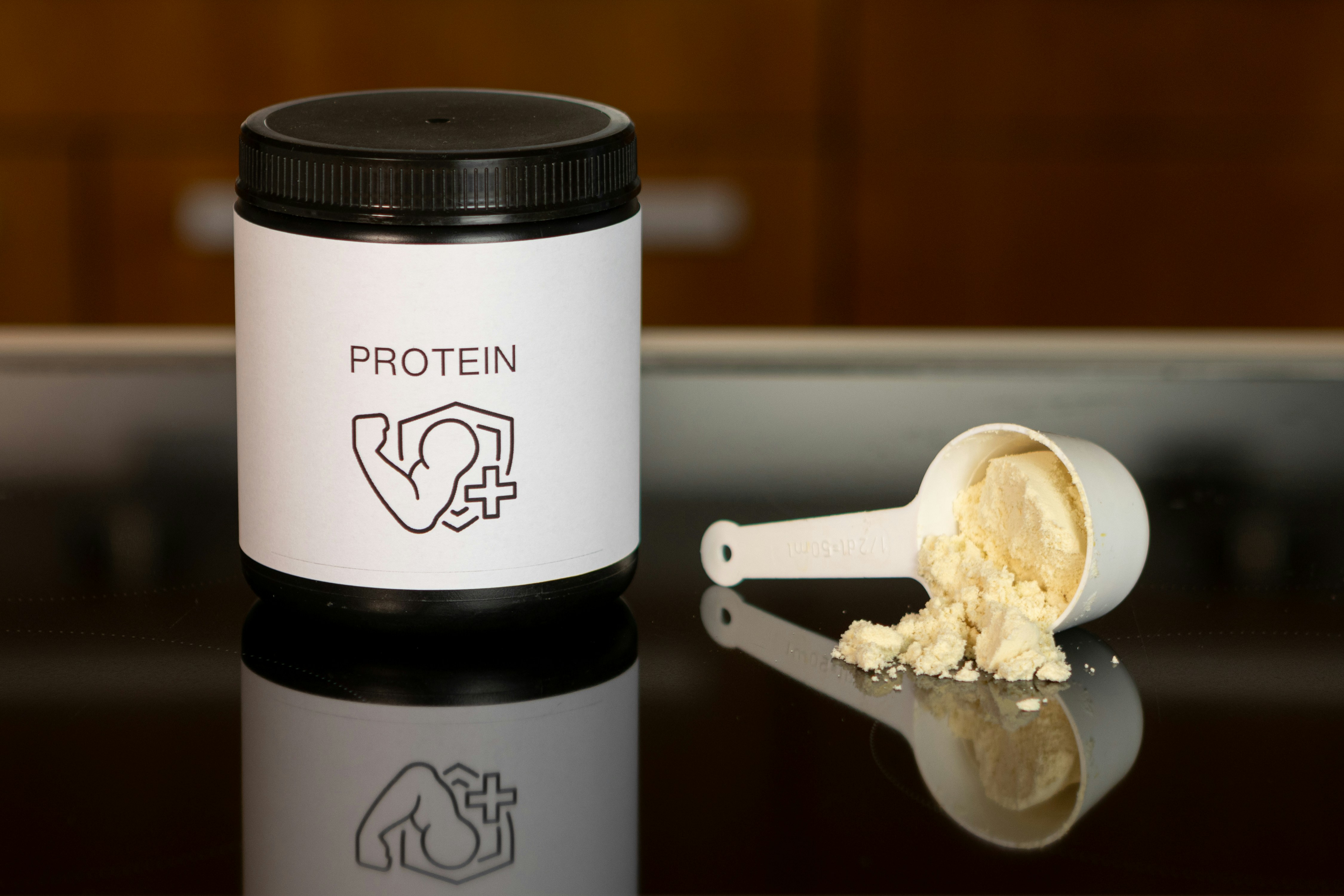
Introduction to Proteins
Proteins are essential macromolecules that play a crucial role in the biological systems of all living organisms. Composed of long chains of amino acids, proteins are classified as one of the fundamental building blocks of life. There are 20 standard amino acids, which combine in various sequences to form the myriad of proteins found in nature. The specific sequence of amino acids in a protein determines its unique structure and, ultimately, its function within the organism.
Structurally, proteins can be categorized into four levels: primary, secondary, tertiary, and quaternary. The primary structure refers to the linear sequence of amino acids linked by peptide bonds. The secondary structure involves local folding patterns, such as alpha helices and beta sheets, stabilized by hydrogen bonds. The tertiary structure pertains to the overall three-dimensional shape formed by the interactions between R-groups of amino acids. Finally, the quaternary structure describes the arrangement of multiple polypeptide chains into a functional protein complex.
The importance of proteins cannot be overstated, as they are involved in nearly every biological process. One of their critical functions is muscle repair; proteins provide the necessary components for the growth and recovery of muscle tissue following exertion. Additionally, proteins are vital for the immune response, acting as antibodies that recognize and neutralize pathogens. Enzymes, a special class of proteins, are responsible for catalyzing biochemical reactions, facilitating numerous metabolic processes essential for life.
In summary, proteins, as complex molecules made of amino acids, are integral to the structure and function of living organisms, underscoring their importance in growth, repair, and numerous physiological activities.
What are Amino Acids?
Amino acids are organic compounds that serve as the fundamental building blocks of proteins, playing a vital role in various biological processes. Each amino acid contains an amine group (-NH₂), a carboxyl group (-COOH), and a unique side chain (R group) that defines its characteristics. These molecules are linked by peptide bonds to form proteins, which are essential for cell structure, function, and regulation of bodily processes.
Amino acids can be classified into two categories: essential and non-essential. Essential amino acids cannot be synthesized by the human body and must be obtained through dietary sources. There are nine essential amino acids: leucine, isoleucine, valine, lysine, methionine, phenylalanine, threonine, tryptophan, and histidine. Non-essential amino acids, on the other hand, can be produced by the body and include alanine, asparagine, aspartic acid, and glutamic acid, among others. Understanding the distinction between these two types of amino acids is crucial for ensuring a well-balanced diet that supports overall health.
The combination of amino acids to form proteins is a complex process governed by genetic information. During protein synthesis, ribosomes read the sequence of messenger RNA (mRNA) and translate it into a specific sequence of amino acids, creating polypeptides. These polypeptides then fold into functional proteins that carry out various roles in the body, such as acting as enzymes, hormones, and structural components.
In addition to their structural and functional roles, amino acids are also important for maintaining health. They contribute to muscle development, tissue repair, immune function, and the synthesis of neurotransmitters. A balanced diet that includes an adequate supply of both essential and non-essential amino acids can help ensure optimal health and well-being.
The Role of Proteins in the Body
Proteins play a crucial role in the human body, acting as essential components that govern numerous physiological functions. They are made up of amino acids, which are organic compounds forming the structure of proteins. These macromolecules perform diverse roles, with each type designed to fulfill specific functions vital to health and wellbeing.
One of the most significant roles of proteins is in providing structural support. Structural proteins, such as collagen and elastin, are integral in forming the body’s tissues, including skin, bones, and connective tissues. Collagen, for instance, contributes to skin elasticity and strength, while elastin provides flexibility to various tissues. These proteins are fundamental to maintaining the integrity and structural stability of organs and other body parts.
Another critical function of proteins is enzymatic activity. Enzymes, which are specialized proteins, facilitate biochemical reactions within the body. They act as catalysts, significantly increasing the rate of reactions that are vital for metabolic processes. For example, amylase helps in the breakdown of carbohydrates, while pepsin aids in protein digestion in the stomach. Without enzymes, numerous physiological processes would occur too slowly to sustain life.
Furthermore, proteins serve as antibodies, playing a protective role in the immune system. Antibodies are specialized proteins produced by the body to identify and neutralize pathogens such as bacteria and viruses. They are a fundamental aspect of the immune response, ensuring that the body is guarded against infections and disease.
In addition, proteins function as hormones, which are signaling molecules that regulate various biological processes. Hormones like insulin and glucagon are proteins that manage blood sugar levels, demonstrating how intertwined protein functions are with metabolic homeostasis. Thus, proteins unequivocally underpin many essential biological roles, contributing significantly to overall health.
Sources of Proteins and Amino Acids
Proteins and amino acids are crucial for various bodily functions and can be sourced from a variety of dietary options. These two macronutrients are primarily found in either animal or plant-based foods, both of which have distinct advantages.
Animal protein sources are often considered complete proteins, as they contain all nine essential amino acids that the body cannot synthesize. Common sources of animal proteins include meat, poultry, fish, eggs, and dairy products. For instance, chicken is not only high in protein but also low in fat, making it a popular choice among health-conscious individuals. Fish, particularly fatty varieties like salmon, provide protein along with omega-3 fatty acids, which are beneficial for heart health. Dairy products like yogurt and cheese also supply protein, alongside calcium and other important nutrients.
On the other hand, plant-based sources of proteins are increasingly gaining recognition, especially among vegetarians and vegans. Legumes, such as lentils, chickpeas, and beans, are rich in protein and also provide fiber, further enhancing their nutritional profile. Nuts and seeds, like almonds and chia seeds, also contribute to protein intake while delivering healthy fats. Whole grains, including quinoa and brown rice, contain varying amounts of protein and offer additional vitamins and minerals. For vegans, combining different plant sources can help in acquiring all essential amino acids, a practice often referred to as protein complementation.
It is essential for everyone, regardless of dietary preferences, to ensure they consume adequate protein as part of a balanced diet. A protein-rich diet supports muscle maintenance, aids in recovery after exercise, and plays a vital role in the production of hormones and enzymes. Understanding the diverse sources of proteins and amino acids can help individuals make informed dietary choices that align with their health goals.
Protein Synthesis: How the Body Builds Proteins
Protein synthesis is a fundamental biological process through which cells generate proteins. This intricate mechanism can be divided into two primary phases: transcription and translation. Both stages are crucial, as they ensure that the genetic code contained within DNA is accurately transformed into functional proteins, essential for various cellular processes.
The first step, transcription, occurs in the cell nucleus. During this phase, the enzyme RNA polymerase unwinds the DNA double helix and synthesizes messenger RNA (mRNA) from one of the DNA strands. This mRNA serves as a complementary copy of the gene that encodes the specific protein. The process ensures that the genetic information encoded in DNA is safely transcribed into a format that can be transported out of the nucleus. Once transcription is completed, the mRNA molecule undergoes modifications, such as the addition of a 5′ cap and a poly-A tail, enhancing its stability and export out of the nucleus.
The second phase, known as translation, takes place in the cytoplasm. Here, mRNA is read by ribosomes, which are complexes made up of ribosomal RNA and proteins. Transfer RNA (tRNA) plays a pivotal role in this stage by bringing the appropriate amino acids to the ribosome, corresponding to the codons (three-nucleotide sequences) found in the mRNA. Each tRNA molecule carries a specific amino acid and recognizes specific codons through its anticodon region. As the ribosome moves along the mRNA, amino acids are linked together in a precise order to form a polypeptide chain. This sequence ultimately determines the protein’s structure and function, showcasing the efficiency and complexity of protein synthesis.
The regulations governing transcription and translation are critical for maintaining cellular homeostasis and responding to environmental changes. Thus, protein synthesis reflects the extraordinary capability of cells to translate genetic information into a diverse array of proteins, which are vital for life.
The Importance of Amino Acid Balance
Amino acids serve as the essential building blocks of proteins, playing a crucial role in various physiological processes within the body. Maintaining a balanced intake of amino acids is vital for optimal health, as the human body requires a diverse array of these compounds to function properly. An imbalance in amino acid intake can lead to numerous health issues, including weakened immune function, impaired muscle repair, and disrupted metabolic processes.
Understanding the difference between complete and incomplete proteins is essential when discussing amino acid balance. Complete proteins, which contain all nine essential amino acids in sufficient quantities, are typically found in animal-based sources such as meat, eggs, and dairy products. In contrast, incomplete proteins, usually derived from plant sources such as beans, grains, and nuts, lack one or more of these essential amino acids. For individuals who follow vegetarian or vegan diets, it becomes even more critical to combine different plant protein sources to achieve a complete amino acid profile.
Moreover, the ratio of amino acids in one’s diet can influence overall health significantly. For example, an excess of certain amino acids, such as methionine, while lacking in others like lysine, can lead to metabolic imbalances and increase the risk of chronic diseases. Conversely, insufficient intake of specific amino acids can hinder protein synthesis, affecting muscle mass and recovery. Therefore, it is imperative to foster a diverse and balanced dietary regimen that encompasses both complete and incomplete protein sources.
In conclusion, securing a proper balance of amino acids through dietary choices is fundamental for maintaining health and well-being. This balance supports various physiological functions, promotes recovery and growth, and helps prevent health complications related to amino acid deficiency or imbalance.
Protein Requirements: How Much Do We Need?
Protein is an essential macronutrient that plays a crucial role in various bodily functions, ranging from muscle building to immune response. The recommended daily protein intake varies widely, influenced by factors such as age, gender, physical activity levels, and specific health conditions.
For the average adult, dietary guidelines typically recommend a protein intake of about 46 grams per day for women and 56 grams for men. However, these values can be adjusted based on individual circumstances. For instance, athletes or individuals with high physical activity levels often require higher protein intakes to support muscle repair and growth. Intakes of 1.2 to 2.0 grams of protein per kilogram of body weight are common recommendations for active individuals, reflecting their enhanced needs.
Age is another critical factor influencing protein requirements. As people age, their bodies become less efficient at using protein, making it essential for older adults to increase their intake to preserve muscle mass and function. The Recommended Dietary Allowance (RDA) for older adults may thus rise to about 1.0 to 1.2 grams per kilogram of body weight.
Moreover, specific health conditions can alter protein needs. For instance, individuals recovering from surgery, those with chronic illnesses, or those experiencing significant weight loss may benefit from higher protein consumption to aid in healing and recovery.
In summary, while general guidelines provide a useful framework, it is crucial for individuals to assess their unique needs based on their lifestyle, age, and any health conditions. Consulting a healthcare professional or a registered dietitian can help tailor protein requirements effectively, ensuring adequate intake for optimal health and wellness.
Risks of Protein Deficiency and Excess
Protein is an essential macronutrient, playing a critical role in various bodily functions, from muscle repair to hormone production. However, both insufficient and excessive intake can lead to significant health risks. Understanding the implications of protein deficiency is crucial for overall health maintenance.
One of the primary consequences of inadequate protein consumption is muscle wasting, where the body breaks down muscle tissues to meet its protein requirements. This condition can lead to weakness, decreased mobility, and an increased risk of falls and fractures, especially in older adults. Furthermore, a lack of protein can impair the immune system, making individuals more susceptible to infections and diseases, as antibodies and numerous immune cells rely on adequate protein levels for synthesis.
On the other hand, excessive protein intake presents its own set of challenges. While athletes and active individuals often increase their protein consumption to support muscle growth, prolonged excessive intake may strain the kidneys, particularly in those with pre-existing renal conditions. The kidneys are responsible for filtering waste products from protein metabolism, and an overload may lead to further deterioration of kidney function. Additionally, high protein diets often lead to dehydration, as the body requires more water to process the increased nitrogen intake resulting from protein breakdown.
Moreover, consuming too much protein, particularly from animal sources, may raise health risks related to cardiovascular health due to the potential increase in saturated fats and cholesterol. It is thus essential to balance protein intake, ensuring consumption aligns with individual health needs and activity levels.
Conclusion and Future Perspectives
Throughout this blog post, we have explored the fundamental roles of proteins and amino acids in biological processes. These macromolecules are not only essential for building and repairing tissues but also serve crucial functions in enzymatic reactions, hormone production, and cellular signaling. Understanding the structure and function of proteins allows us to appreciate their importance in maintaining health and preventing disease.
Emerging research continues to deepen our understanding of how proteins and their constituent amino acids influence overall health. For instance, recent studies have begun to examine the roles of specific amino acids in modulating metabolic pathways and influencing disease resistance. This evolving perspective highlights the potential for targeted dietary interventions that could optimize health outcomes. Additionally, novel protein sources, such as plant-based proteins and cultured meats, are gaining traction in the nutritional landscape, indicating the importance of adapting our dietary habits in accordance with sustainability and health considerations.
The trends in nutrition emphasize a personalized approach, where individual amino acid needs may vary based on factors such as age, physical activity level, and health status. This customization can lead to improved dietary recommendations that cater to specific health goals. Furthermore, as we learn more about the gut microbiome’s relationship with protein metabolism, we anticipate that this knowledge will inform future dietary guidelines and health strategies.
In conclusion, proteins and amino acids remain vital to our understanding of human biology and nutrition. Ongoing research into their diverse roles promises to unlock further benefits for health and well-being, paving the way for advances in preventative medicine and personalized nutrition strategies. As our grasp of these molecules continues to evolve, so too will our capacity to harness their potential for enhancing quality of life.
