
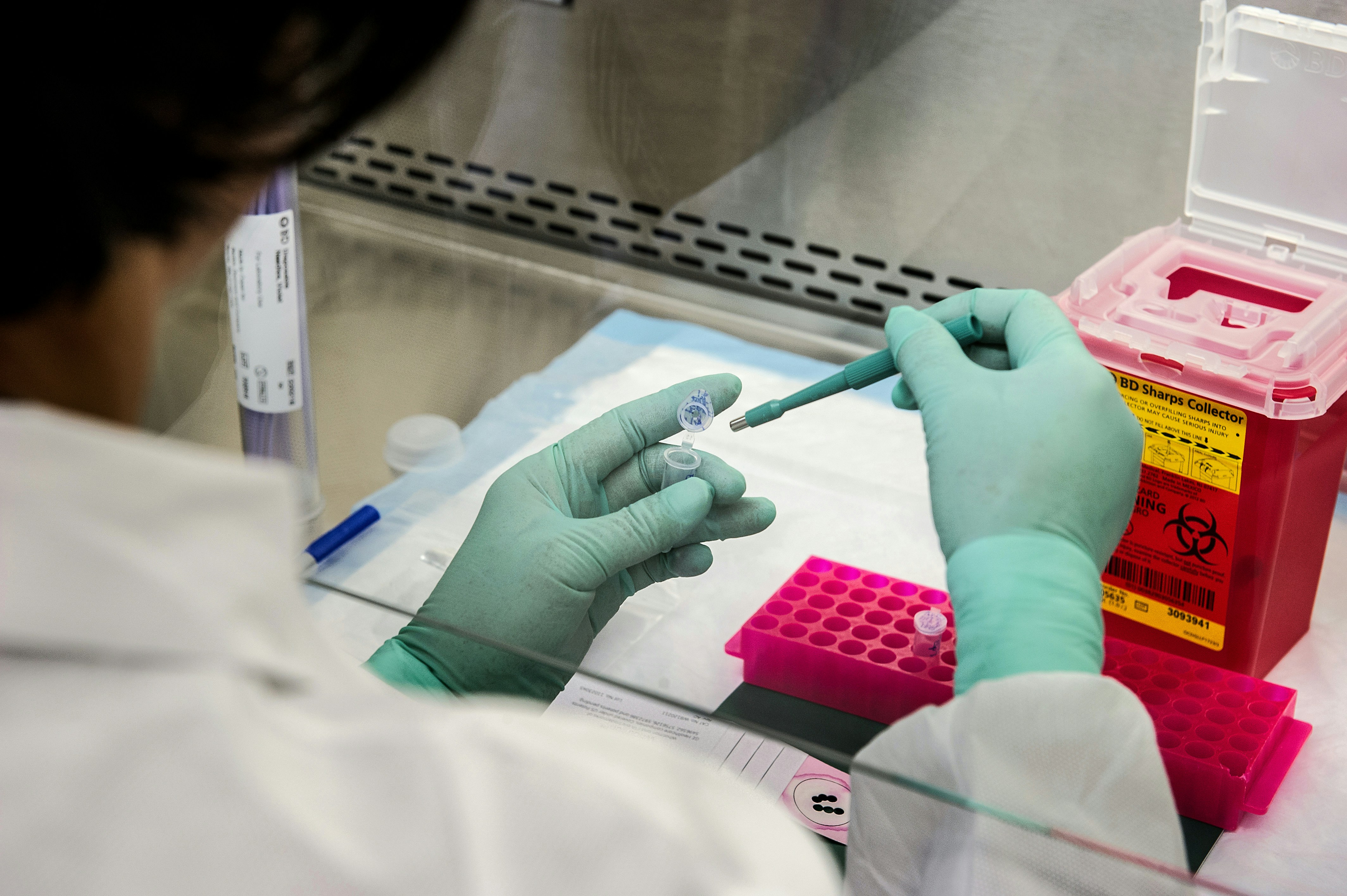
Introduction to Bloodborne Pathogens
Bloodborne pathogens (BBPs) are microorganisms present in human blood that can cause diseases in humans. The most significant BBPs include the hepatitis B virus (HBV), hepatitis C virus (HCV), and the human immunodeficiency virus (HIV). These pathogens can be transmitted through direct blood contact, exposure to contaminated surfaces, or through bodily fluids containing blood, thereby posing a significant risk to healthcare workers and laboratory personnel.
In clinical laboratory settings, understanding bloodborne pathogens is crucial for safeguarding both personnel and patients. Laboratories often handle samples that may contain infectious agents, making it essential for laboratory professionals to implement stringent safety protocols. Effective handling of bloodborne pathogens minimizes the risk of exposure and transmission, ensuring a safer working environment. The significance of this knowledge extends beyond personal safety; it is vital for preventing outbreaks of infectious diseases in the community.
This blog post aims to provide comprehensive insights into bloodborne pathogen safety in clinical laboratories. It will outline the primary transmission methods of BBPs, the importance of standard precautions such as personal protective equipment (PPE) usage, and the implementation of crucial safety practices. Additionally, this post will explore the regulations and guidelines established to protect laboratory workers and the significance of regular training to maintain awareness and preparedness. By emphasizing these aspects, laboratory professionals can better navigate the complexities associated with handling bloodborne pathogens and contribute to a safer clinical environment.
Common Bloodborne Pathogens
Bloodborne pathogens are microorganisms present in human blood that can lead to disease. In clinical laboratories, there are several well-known bloodborne pathogens that pose significant health risks to laboratory workers and patients alike. Among these, the most prevalent include Hepatitis B Virus (HBV), Hepatitis C Virus (HCV), and Human Immunodeficiency Virus (HIV).
HBV is a major global health concern, as it can cause both acute and chronic liver infection, which may lead to liver cirrhosis or hepatocellular carcinoma. The virus is highly transmissible and can survive outside the body for several days, making stringent adherence to safety protocols in lab settings imperative.
HCV, on the other hand, primarily affects the liver, and while many individuals can clear the infection spontaneously, a significant number develop chronic hepatitis, which can also lead to severe liver disease over time. The transmission of HCV primarily occurs through blood-to-blood contact, underscoring the need for protective measures in clinical environments.
HIV is another critical pathogen recognized worldwide. It attacks the immune system, specifically the CD4+ T cells, and if left untreated, can lead to Acquired Immunodeficiency Syndrome (AIDS). The risk of HIV transmission in laboratory settings is low when proper precautions are followed, though the potential consequences of infection are severe.
Aside from these three major pathogens, other infectious agents, including the West Nile Virus and Cytomegalovirus, can also be transmitted through blood and body fluids. Laboratory professionals need to remain vigilant in monitoring for potential exposure to various pathogens, emphasizing the importance of strict protocol adherence and continuous training to ensure safety within clinical laboratory settings.
Routes of Exposure in Clinical Laboratories
In clinical laboratories, personnel are at risk of exposure to bloodborne pathogens through several primary routes. Understanding these methods of exposure is crucial for implementing effective safety measures to protect staff and patients alike. The most common route involves needlestick injuries, which occur when a needle punctures the skin. This can happen during the administration of injections, blood draws, or handling of needles post-use. These incidents highlight the importance of proper disposal methods and the use of safety-engineered devices to mitigate risk.
Sharps accidents are another significant concern. This term encompasses a variety of incidents where sharp objects, such as scalpels, glass slides, or broken glass containers, cause cuts or puncture wounds. These injuries can lead to exposure to bloodborne pathogens, necessitating immediate action and reporting protocols to ensure the health and safety of laboratory personnel.
Additionally, splashes and spills of potentially infectious materials represent a critical exposure route. These incidents typically occur during specimen handling or processing, where bodily fluids may inadvertently come into contact with the eyes, mouth, or open skin. Proper personal protective equipment (PPE), such as gloves, goggles, and lab coats, is essential in minimizing this type of exposure.
Lastly, contact with contaminated surfaces poses a hidden yet significant risk. Equipment, worktables, and other surfaces in the laboratory can become contaminated with blood or bodily fluids, presenting a possibility of infection through incidental contact. Regular cleaning and disinfection practices are vital to maintaining a safe laboratory environment.
Importance of Standard Precautions
Standard precautions are a set of practices designed to prevent and control the transmission of infectious agents in clinical laboratories. These guidelines are applicable to all patients regardless of their diagnosis or presumed infectious status. They fundamentally aim to minimize occupational exposure to bloodborne pathogens, which includes viruses such as Human Immunodeficiency Virus (HIV) and Hepatitis B Virus (HBV).
Implementing standard precautions is essential for several reasons. First, they promote a universal approach to infection control, ensuring that all personnel consistently observe safety measures. This consistency is crucial in a laboratory environment where various biological specimens are processed, any of which may contain pathogenic organisms. By adhering to standard precautions, laboratory personnel reduce the risk of accidentally coming into contact with blood and other potentially infectious materials (OPIM).
Moreover, standard precautions encompass a range of safety practices such as proper hand hygiene, use of personal protective equipment (PPE), safe disposal of sharps, and effective cleaning and disinfection protocols. For example, gloves should be worn when handling specimens, and masks may be necessary when there is a risk of splashes. The presence of these protocols also establishes a culture of safety, encouraging staff to be vigilant and proactive in their health and safety practices.
In addition to protecting laboratory personnel, standard precautions also benefit patients by minimizing the risk of cross-contamination within healthcare settings. When properly implemented, these precautions mitigate the risk of transmitting bloodborne infections to both staff and patients, thereby enhancing overall safe practices in clinical laboratories.
Safe Practices in Specimen Management
In any clinical laboratory, the management of specimens is critical to ensuring the safety of both healthcare workers and the general public. Bloodborne pathogens, which can be transmitted through contact with infected blood and other bodily fluids, pose significant risks. Consequently, implementing safe practices throughout the lifecycle of a specimen is essential.
The first step in safe specimen management is the collection process. It is vital to wear appropriate personal protective equipment (PPE), including gloves, masks, and eye protection, during specimen collection. This minimizes exposure to potential pathogens. Additionally, using a puncture-resistant sharps container for needle disposal prevents accidental needlestick injuries, which are a common route of exposure to bloodborne pathogens.
Once specimens are collected, handling and processing must be conducted with heightened caution. Following standard operating procedures (SOPs) is essential to minimize the risk of contamination. Specimens should be processed in designated areas equipped with biosafety cabinets, where appropriate, to provide an extra layer of protection against airborne pathogens. During this phase, any spills must be immediately addressed using appropriate disinfectants to maintain a clean working environment.
Proper storing and transporting of specimens are also crucial for preventing transmission risks. Specimens must be stored at recommended temperatures and conditions to prevent degradation that could lead to potential hazards. When transporting specimens, it is important to ensure they are securely packaged in leak-proof containers and labeled clearly, indicating any biohazard risk, enhancing safety for all personnel involved in the transportation chain.
Finally, disposing of specimens and materials used during their handling must be conducted in accordance with local regulations and guidelines. All materials must be treated as potentially infectious and disposed of in accordance with standard biohazard waste disposal protocols. These safe practices in specimen management significantly reduce the risk of exposure to bloodborne pathogens, thus safeguarding healthcare workers and patients alike.
Personal Protective Equipment (PPE) Usage
Personal Protective Equipment (PPE) is essential for individuals working in clinical laboratories, particularly when handling blood, body fluids, and other potentially infectious materials. The primary purpose of PPE is to create a barrier against exposure to hazardous substances and pathogens, thus ensuring the safety of laboratory personnel and preventing the spread of infections.
The most common types of PPE include gloves, gowns, masks, and eye protection. Disposable gloves should be worn at all times when dealing with blood or other bodily fluids, offering a protective layer between the skin and contaminants. It is crucial to select gloves that are appropriate for the tasks being performed; for example, latex or nitrile gloves are typically recommended for handling blood samples. After use, gloves must be removed and disposed of properly to minimize risk.
In addition to gloves, lab coats or gowns made of impermeable materials are vital in protecting clothing and the skin from spills or splashes. These protective garments should fit securely and cover the entire body, providing maximum coverage. It is important to ensure that gowns are worn properly, with cuffs tucked under the gloves to prevent contaminants from slipping through.
Masks or respirators are also critical when working in environments where aerosolized pathogens could be present. Face masks can help reduce the inhalation of respiratory droplets, while respiratory protection may be necessary in higher-risk situations. Eye protection, such as goggles or face shields, should be used to protect the mucous membranes from splashes that may occur during procedures involving blood and other fluids.
Using PPE effectively involves understanding the proper techniques for donning and doffing the equipment. Personnel must be trained to put on PPE before entering potentially hazardous areas and to remove it without contaminating themselves after exiting. Regular training and audits should be conducted to ensure compliance with safety protocols, thereby enhancing the overall efficacy of bloodborne pathogen safety practices in clinical laboratories.
Actions After Accidental Exposure
Accidental exposure to bloodborne pathogens can have significant health implications for individuals within clinical laboratories. Prompt and appropriate actions are critical to mitigate potential risks. The initial step following such an exposure is to immediately wash the affected area with soap and water. In cases where mucous membranes are involved, such as the eyes or mouth, it is vital to flush these areas with copious amounts of water or saline solution for at least 15 minutes.
After attending to the immediate first aid, the exposed individual should report the incident promptly to a supervisor or designated safety officer. This reporting process is critical, as it ensures that the incident is documented and that the necessary procedures are followed. Documentation typically includes details such as the nature of the exposure, specific circumstances, and any immediate actions taken. This record is essential for future evaluation and to establish a basis for potential medical follow-up.
Following the incident report, it is important for the affected individual to undergo a post-exposure evaluation, ideally conducted by qualified health care personnel. This evaluation may include blood tests, assessments for potential transmission of pathogens, and discussions about prophylactic treatment options if necessary. The exposed person should also monitor for any signs or symptoms of infection in the days and weeks following the exposure.
In addition to the immediate response, facilities should have a comprehensive action plan that outlines not only the steps to take after exposure but also training for laboratory personnel in recognizing and handling such incidents. This preparation is key for minimizing the impact of accidental exposures and ensuring ongoing safety in clinical laboratories.
Role of Laboratory Professionals in Safety
In clinical laboratories, laboratory professionals play a crucial role in ensuring safety and adhering to biosafety practices that minimize the risk of exposure to bloodborne pathogens. These individuals are responsible not only for conducting tests but also for fostering a safe working environment through rigorous adherence to established protocols. Comprehensive biosafety practices encompass a variety of measures that the laboratory personnel must implement consistently.
First and foremost, vaccinations are an essential preventive measure for laboratory professionals. Immunization against common bloodborne pathogens, such as hepatitis B, is vital in safeguarding health. By ensuring that all staff members are up-to-date with their vaccinations, laboratories can significantly decrease the risk of occupational transmission of infections.
In addition to vaccinations, laboratory professionals must routinely perform risk assessments. These assessments allow for the identification and evaluation of potential hazards associated with specific procedures or materials. By understanding these risks, professionals can develop appropriate strategies to mitigate any dangers, including the use of personal protective equipment (PPE), implementing proper handling techniques, and establishing emergency protocols.
Effective waste management is another critical responsibility of laboratory professionals. Proper segregation, collection, and disposal of waste materials, such as sharps and biohazardous waste, are fundamental to maintaining a safe working environment. Laboratory staff must be well-trained in these practices to avoid contamination and potential health risks.
Lastly, the importance of continuous quality improvement cannot be overstated. Laboratory professionals should engage in ongoing training and education to stay informed about the latest safety protocols and best practices in biosafety. This commitment to quality improvement not only enhances safety but also promotes a culture of accountability and excellence within the laboratory setting.
Conclusion and Summary of Key Takeaways
Ensuring bloodborne pathogen safety in clinical laboratories is paramount for the protection of healthcare workers, patients, and the community at large. Throughout this discussion, we have highlighted the critical aspects of bloodborne pathogens, emphasizing the need for comprehensive safety protocols, and the proper training of laboratory personnel. The significance of personal protective equipment (PPE) cannot be overstated, as it acts as a vital barrier against potential exposure.
Further, effective disinfection practices are essential in minimizing the risk of contamination. Implementing stringent cleaning guidelines and ensuring that all laboratory surfaces and equipment are regularly sanitized play a pivotal role in maintaining a safe working environment. Additionally, the disposal of biohazardous waste must follow established regulations to prevent accidental exposure and environmental contamination.
Education and training are crucial elements in cultivating a culture of safety within clinical laboratories. Regular workshops, drills on proper handling techniques, and comprehensive understanding of existing protocols help reinforce the importance of safeguarding against bloodborne pathogens. Furthermore, facilitating open communication regarding safety concerns and incidents fosters a proactive approach to risk management.
In essence, awarness about bloodborne pathogens, coupled with adherence to established safety practices, equips laboratory personnel with the tools to mitigate risks effectively. Laboratories must remain vigilant and committed to the continuous improvement of safety procedures. By prioritizing the health and safety of all individuals involved, clinical laboratories can reduce the incidence of exposure and promote a safer workplace.
